Energy Communities
More Clean Energy
CER and Cogeneration
The Municipality of Porto is one of the founders of the new Association of Renewable Energy Communities in the North of Portugal, a pioneering initiative aimed at fostering the development of energy communities in the region. This association brings together local authorities, academic institutions and other local entities with the goal of promoting the production of renewable energy and energy self-sufficiency, strengthening collaboration between citizens, companies and public entities.
Aligned with carbon neutrality objectives, this initiative aims to reduce dependence on fossil fuels and increase energy resilience, reinforcing Porto’s commitment to leading the energy transition and creating a sustainable energy network for the future.
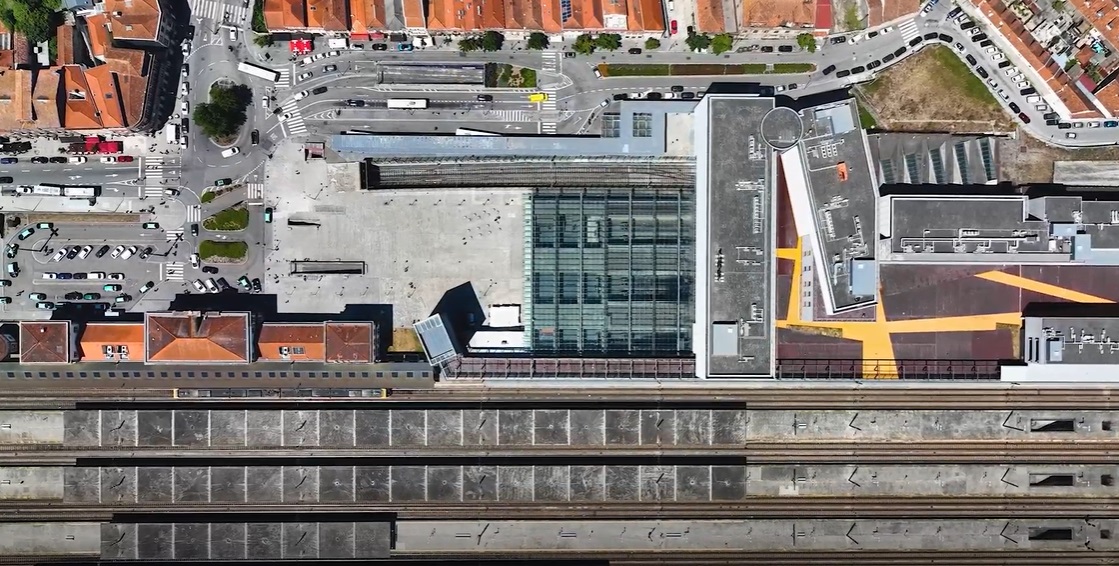
The Faculty of Engineering at the University of Porto (FEUP)
has been involved in the development of technologies and solutions that contribute to the reduction of carbon emissions, aiming to meet national and international emission targets by 2050. The following options stand out:
“Auto gasification” of biomass for use in internal combustion engines with simultaneous production of electricity and heat (heat + cold). Production of synthetic fuels (e–fuels). Conventional cogeneration units using renewable gases. According to José Luís Alexandre, a researcher in the Fluid and Energy Section of the Department of Mechanical Engineering at FEUP, we can assert that we are witnessing a new generation of cogeneration units that can use natural gas mixed with hydrogen (H2NG) or other types of renewable gases.
In the initial phase, these mixtures can vary up to 25%, but in the future, the use of thermal machines (engines) operating on 100% hydrogen is a highly feasible possibility.
Lower percentages of H2 mixtures mean that engines do not require significant technical modifications; on the other hand, using 100% H2 presents a major challenge, as its direct combustion results in high temperatures and consequently the production of NOx (nitrogen oxides).
In such cases, cogeneration or trigeneration could offer a viable technological solution, representing a promising future, whether in an initial phase using natural gas or through the use of mixtures with synthetic fuels (synthesised methane).
Citing a practical example, São João Hospital has a modern cogeneration unit that has been operational for over 12 years, producing electricity. However, this hospital is not the only facility benefiting from such technology Viseu Hospital is also installing a state-of-the-art cogeneration unit under the PRR initiative, capable of using HyBlend mixtures with up to 25% hydrogen, potentially exceeding this limit in the future. These units, in addition to H2NG, can be powered by landfill biogas, biogas from urban effluent digesters, or e–fuels.
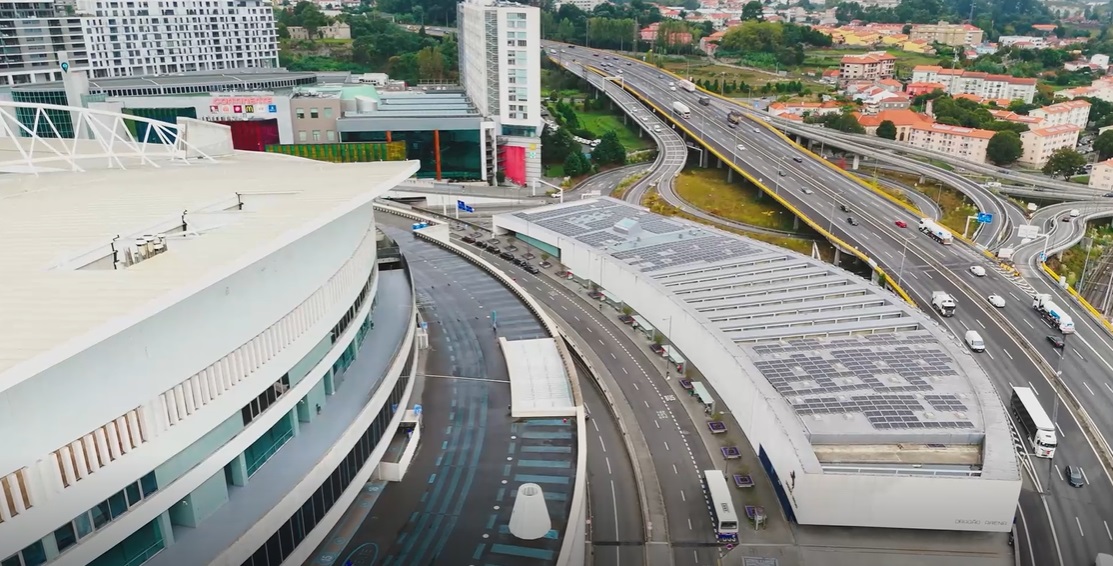
The Porto Football Club Renewable Energy Community represents
an important step in the club’s contribution to environmental sustainability and carbon neutrality, an objective that the Porto Climate Pact aims to achieve by 2030. In partnership with Green Volt, the project foresees the creation of two energy communities at Dragon Stadium (Estádio do Dragão) and at the Olival Training Center. These infrastructures will include the installation of more than 2,000 solar panels, capable of generating more than 1,500 MWh per year, reducing CO2 emissions by 420 tons annually, equivalent to the carbon capture of around 20,000 trees. Furthermore, the club will provide charging solutions for electric vehicles, reinforcing its commitment to decarbonization and sustainable mobility.
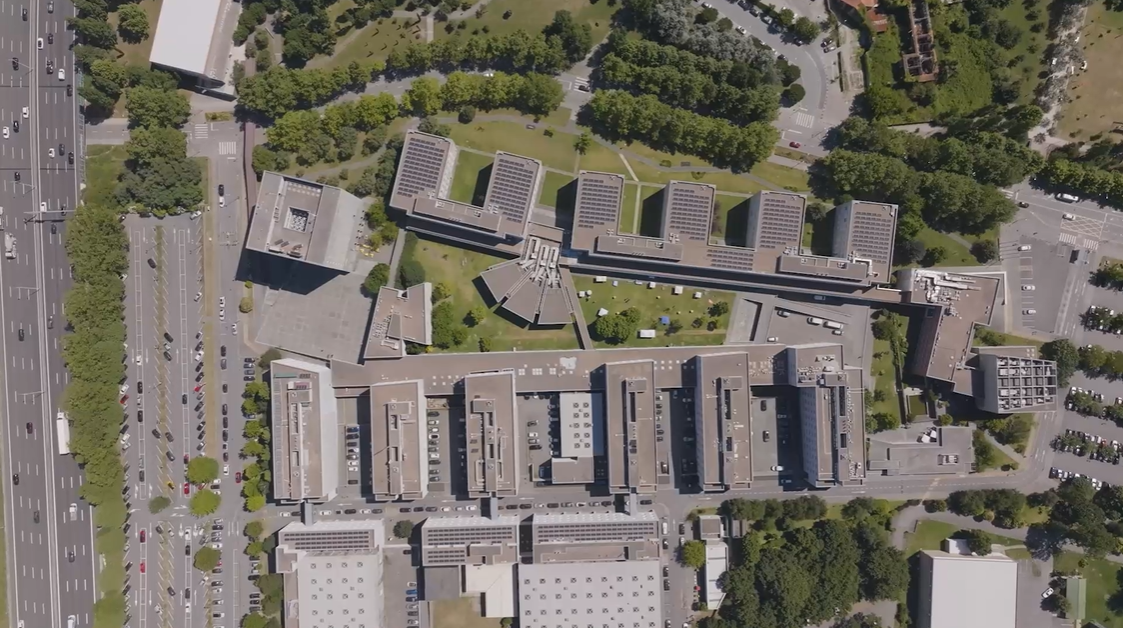
The Porto Supply Market began installing a photovoltaic energy production system
for self-consumption.
- Power to Install: 1.5 MWp
- Annual Reduction in Network Consumption: 1.68 GWh
- Estimated Annual Reduction in GHG Emissions: 430 tons
AdEPorto has supported this process from its inception and is currently monitoring the progress, ensuring its efficient implementation.
Aligned with the objectives of the Porto Climate Pact, this project enables Suplly Market of Porto to take a significant step towards the decarbonization of its facilities and activity.