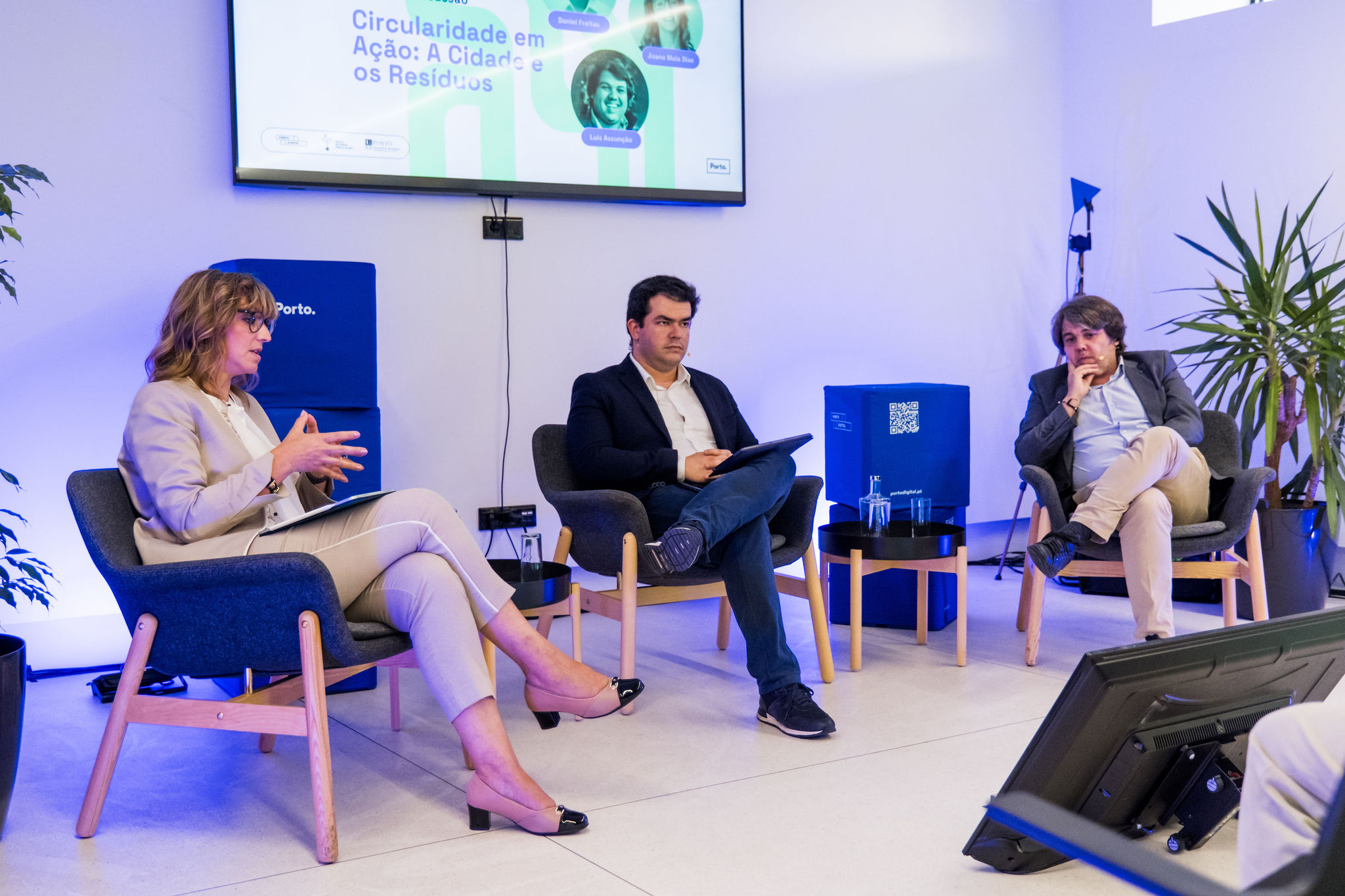
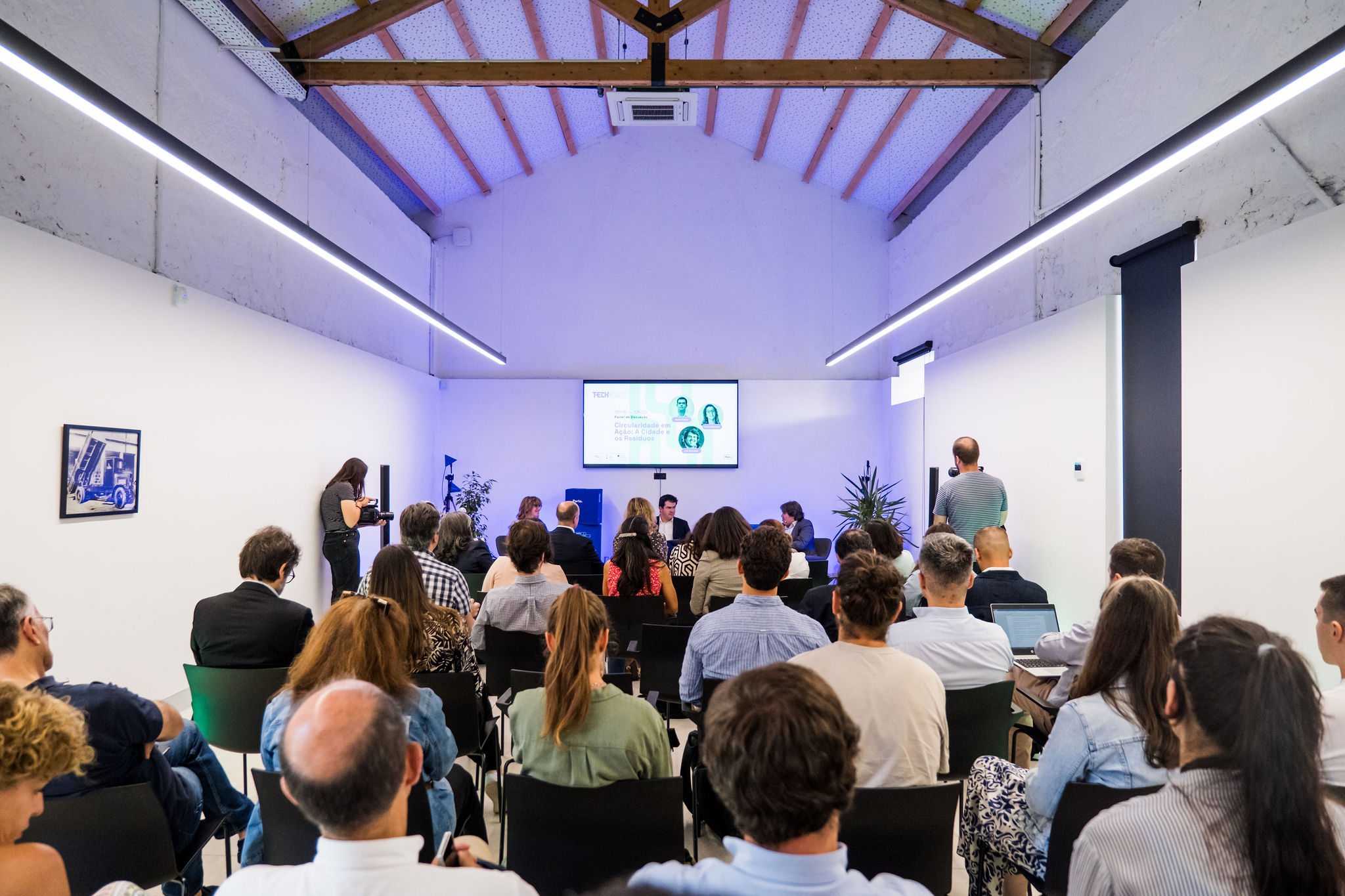
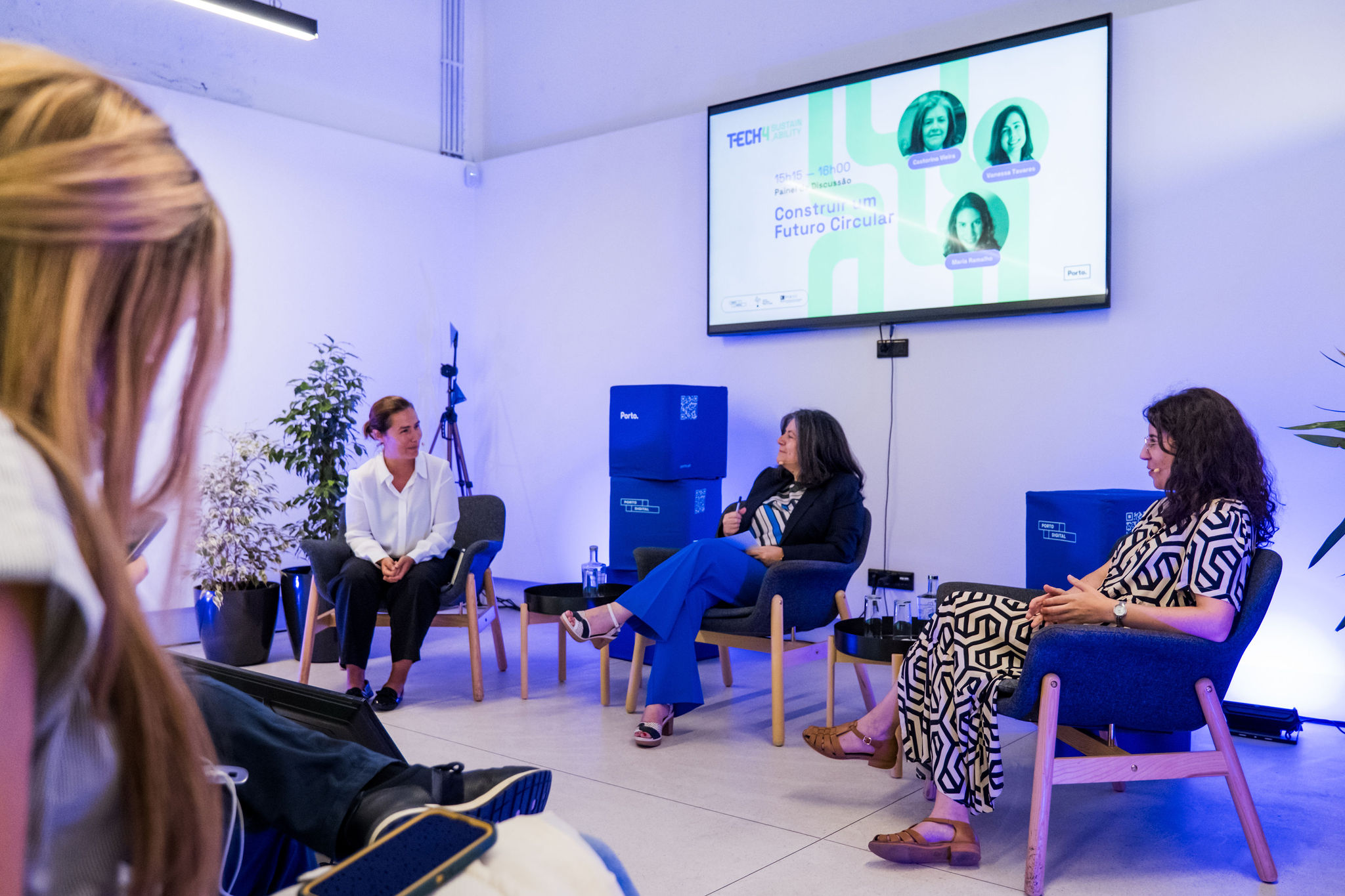
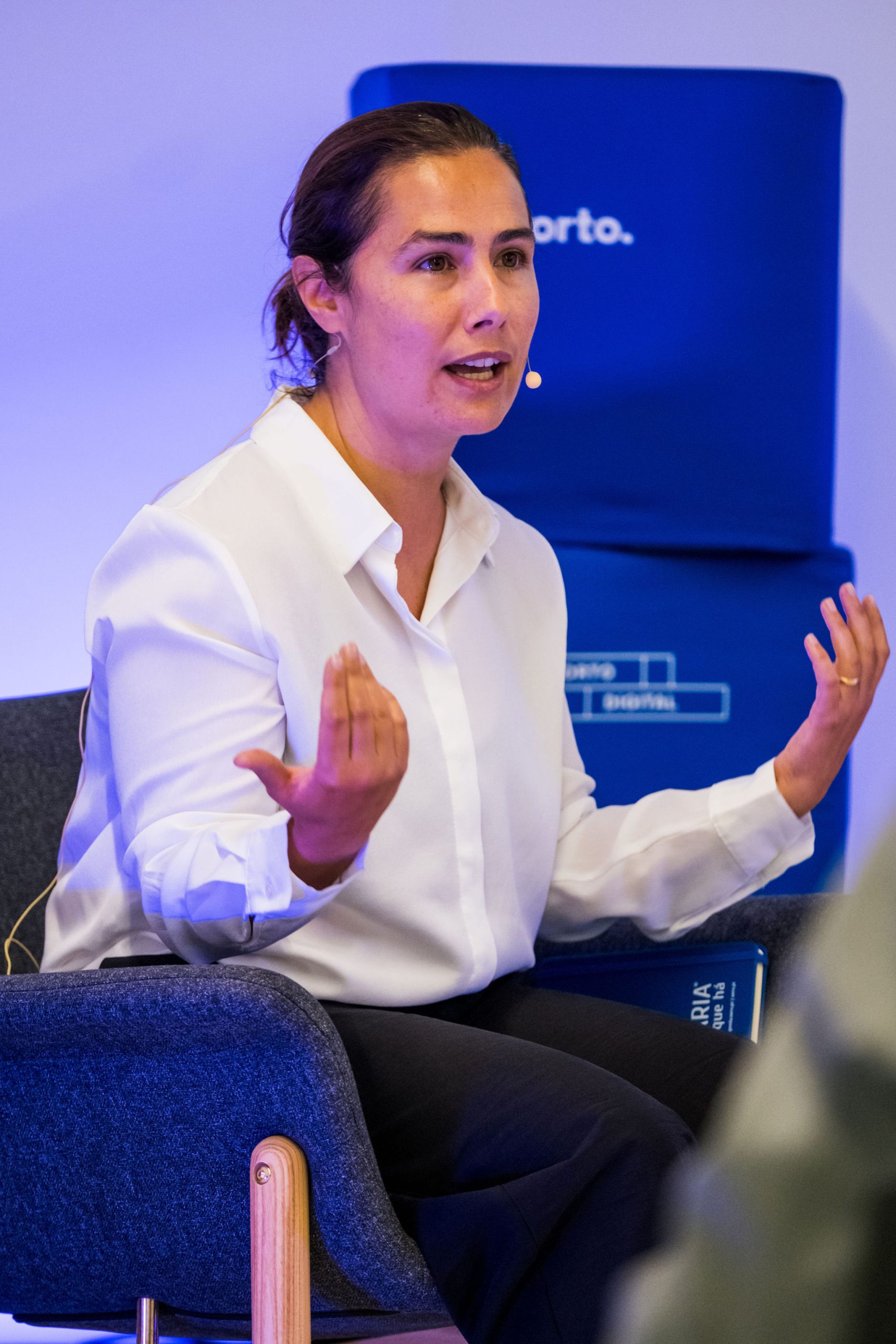
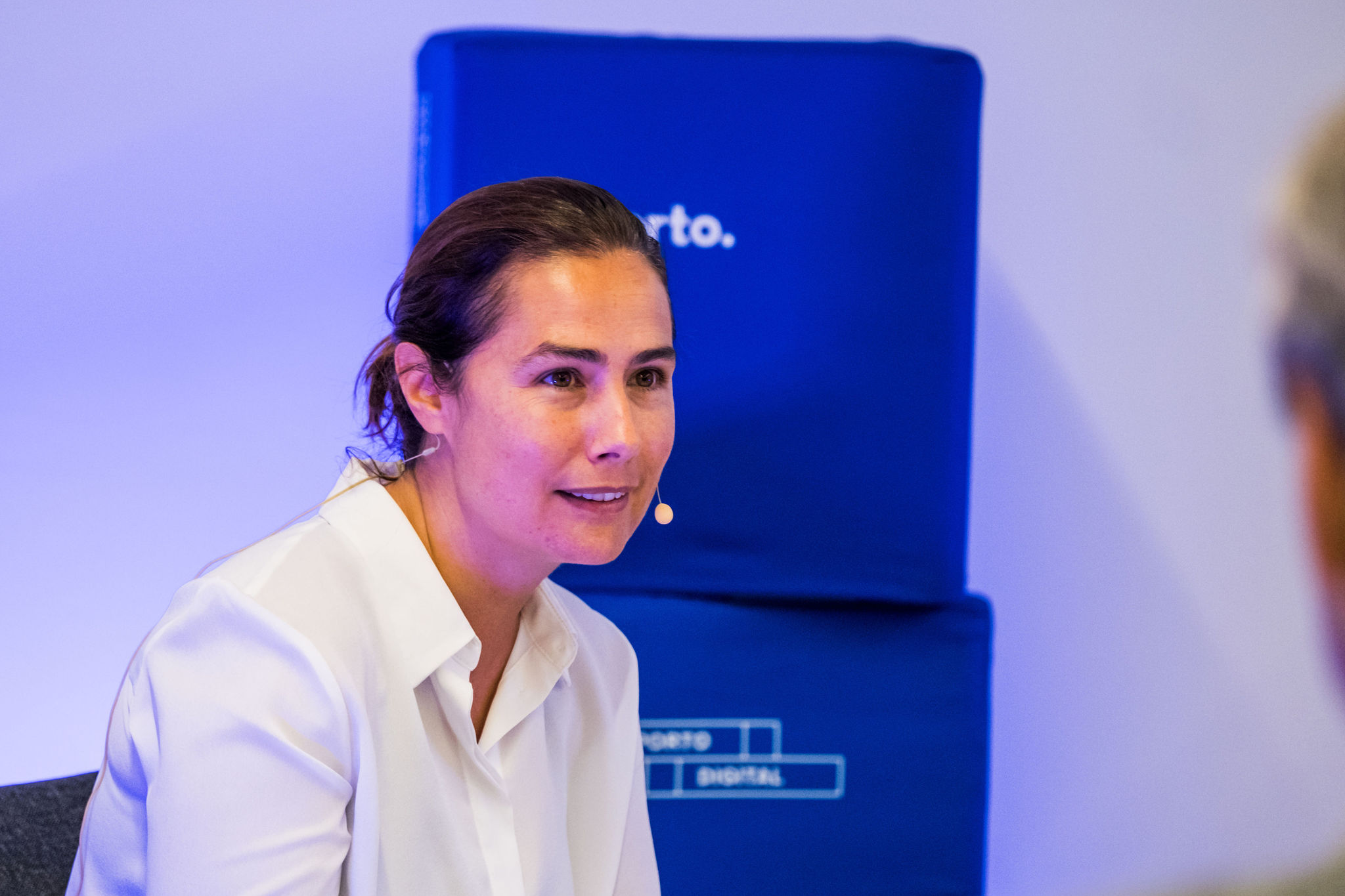
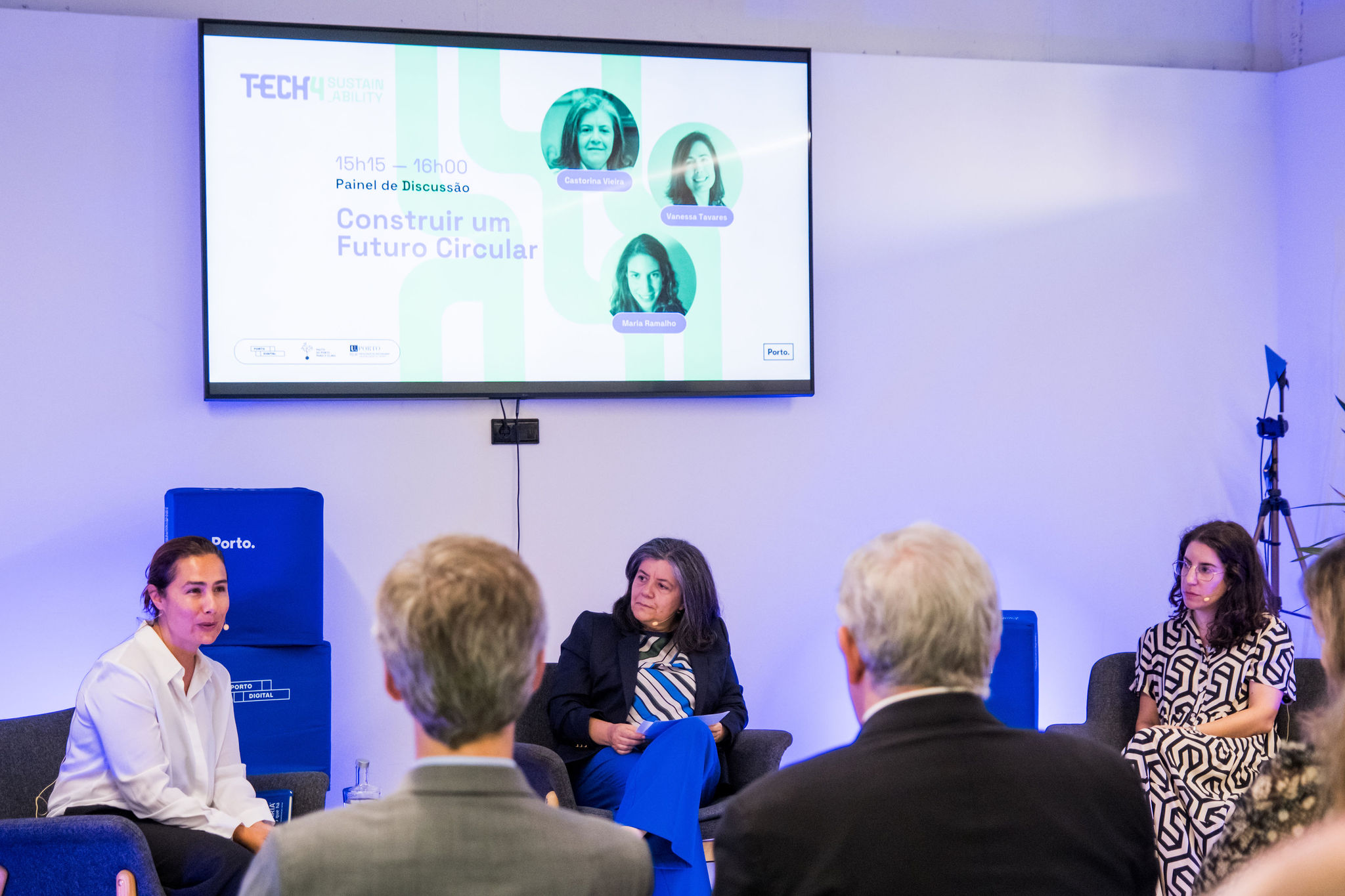
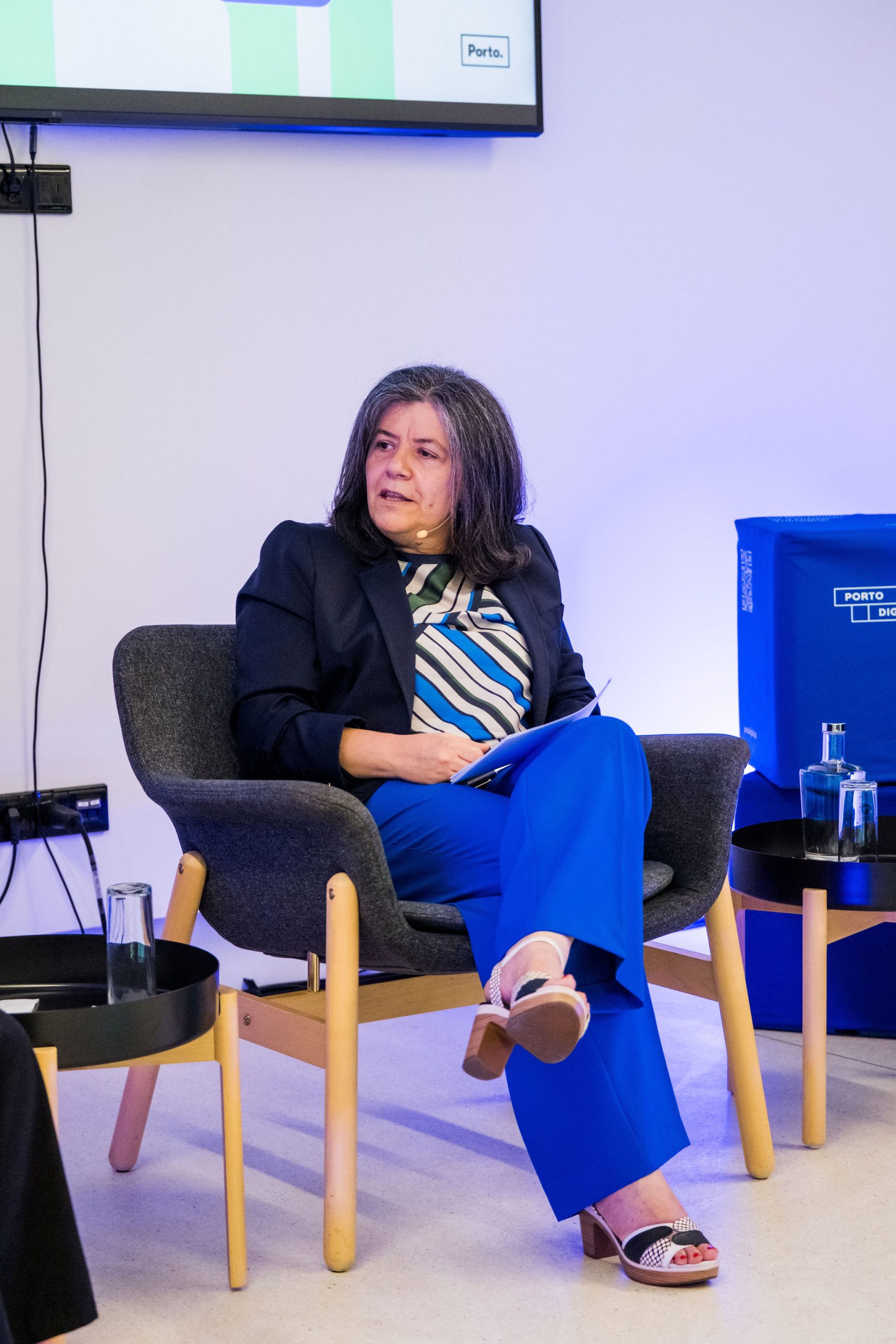
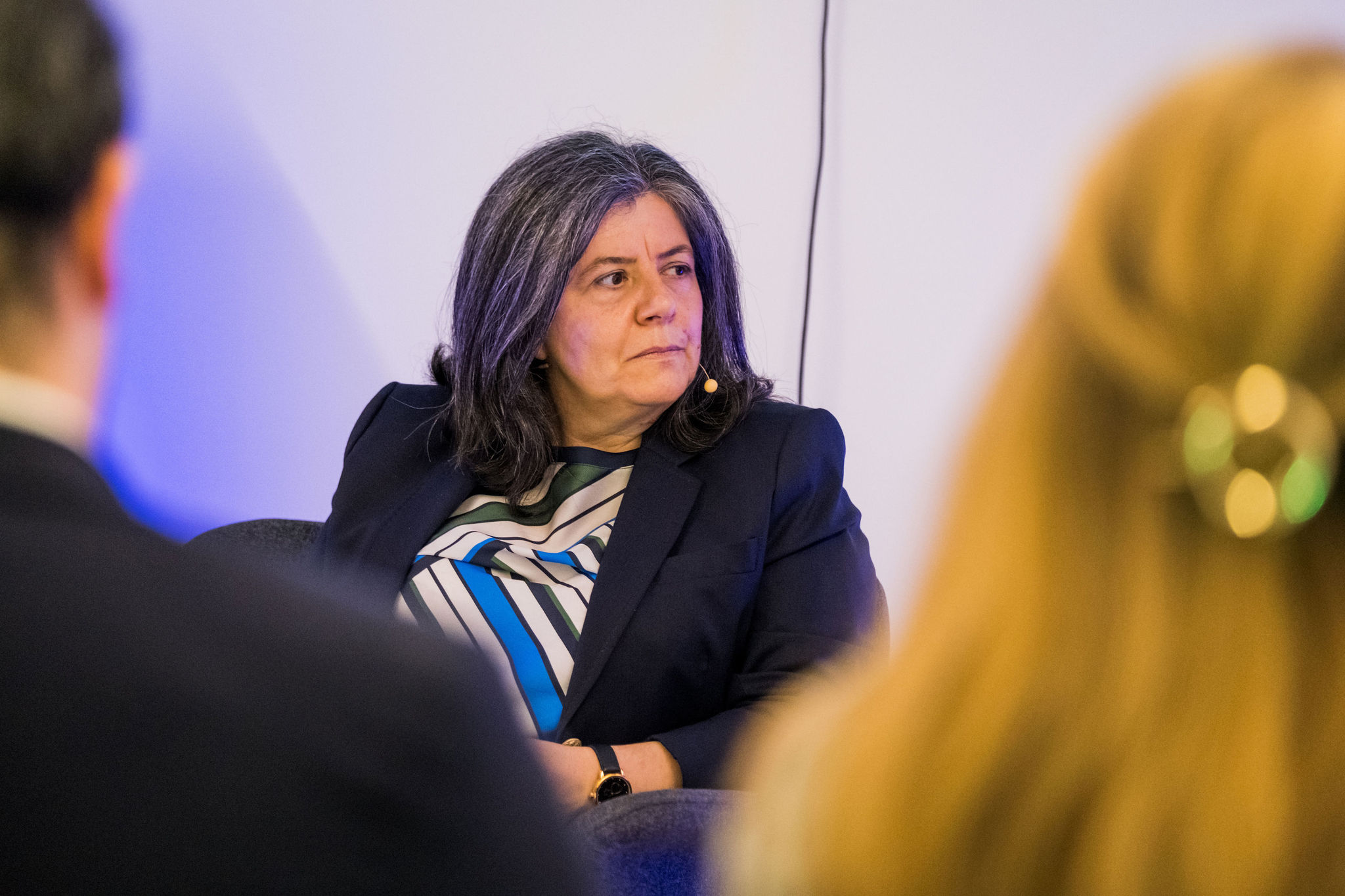
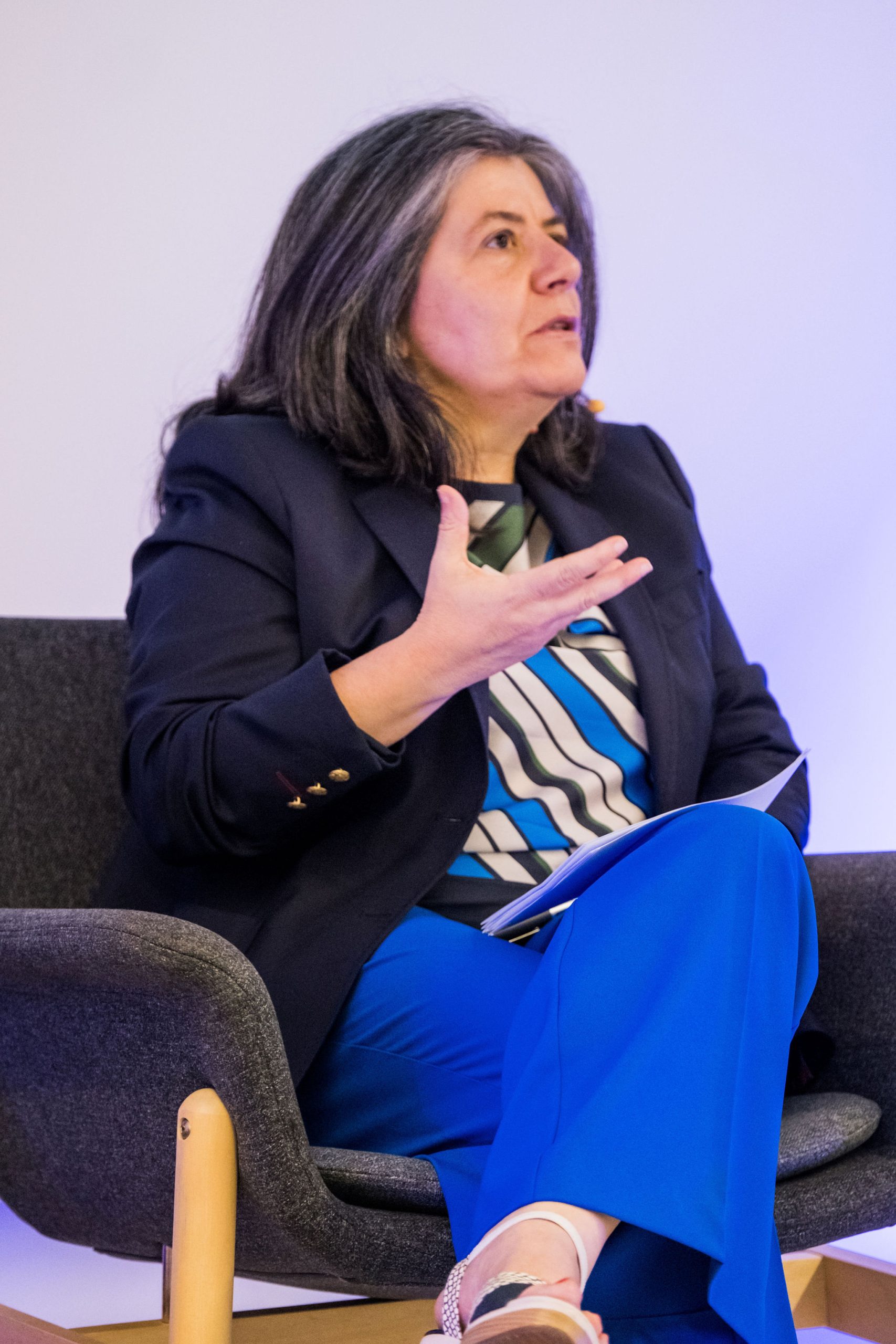
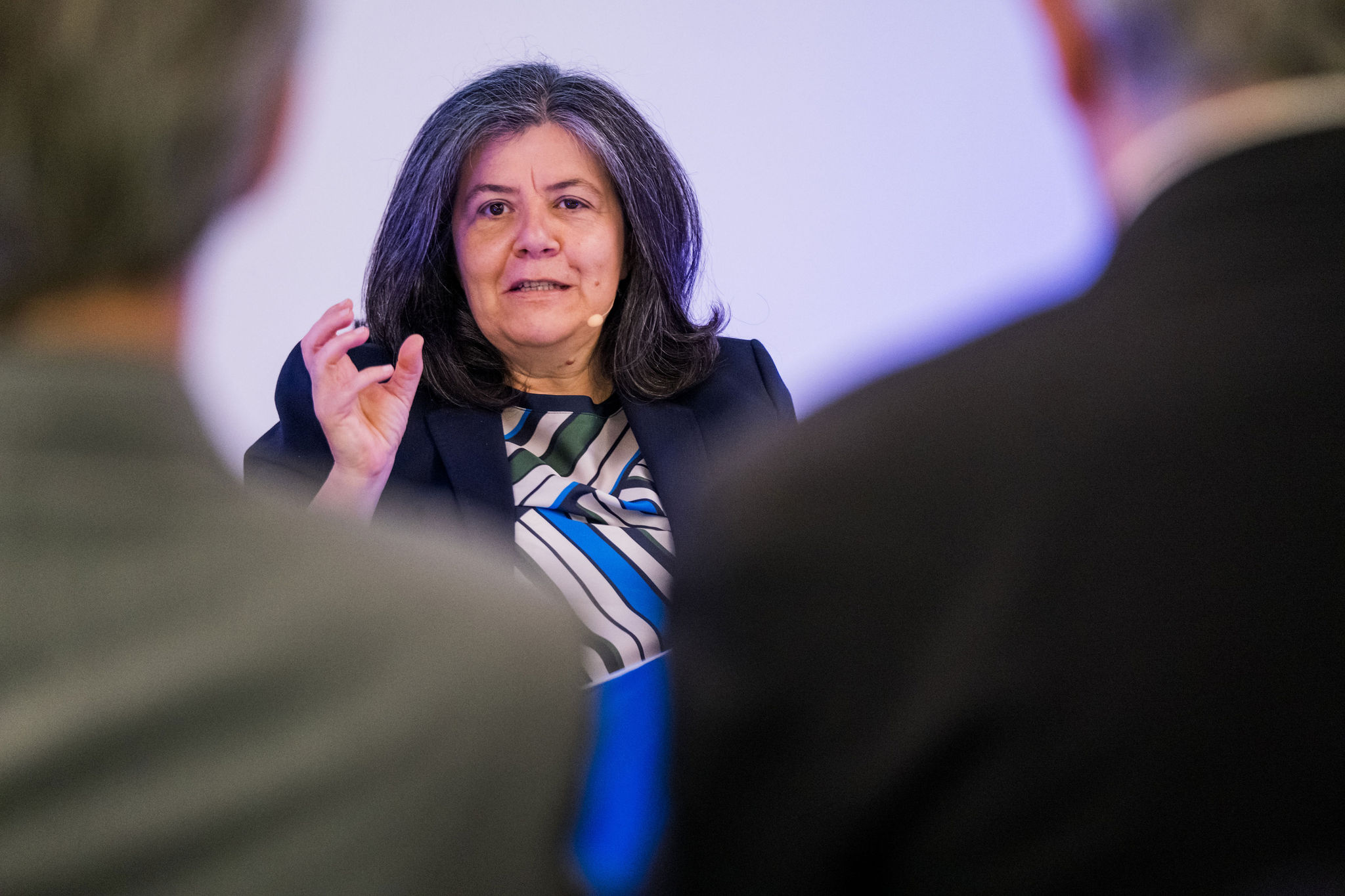
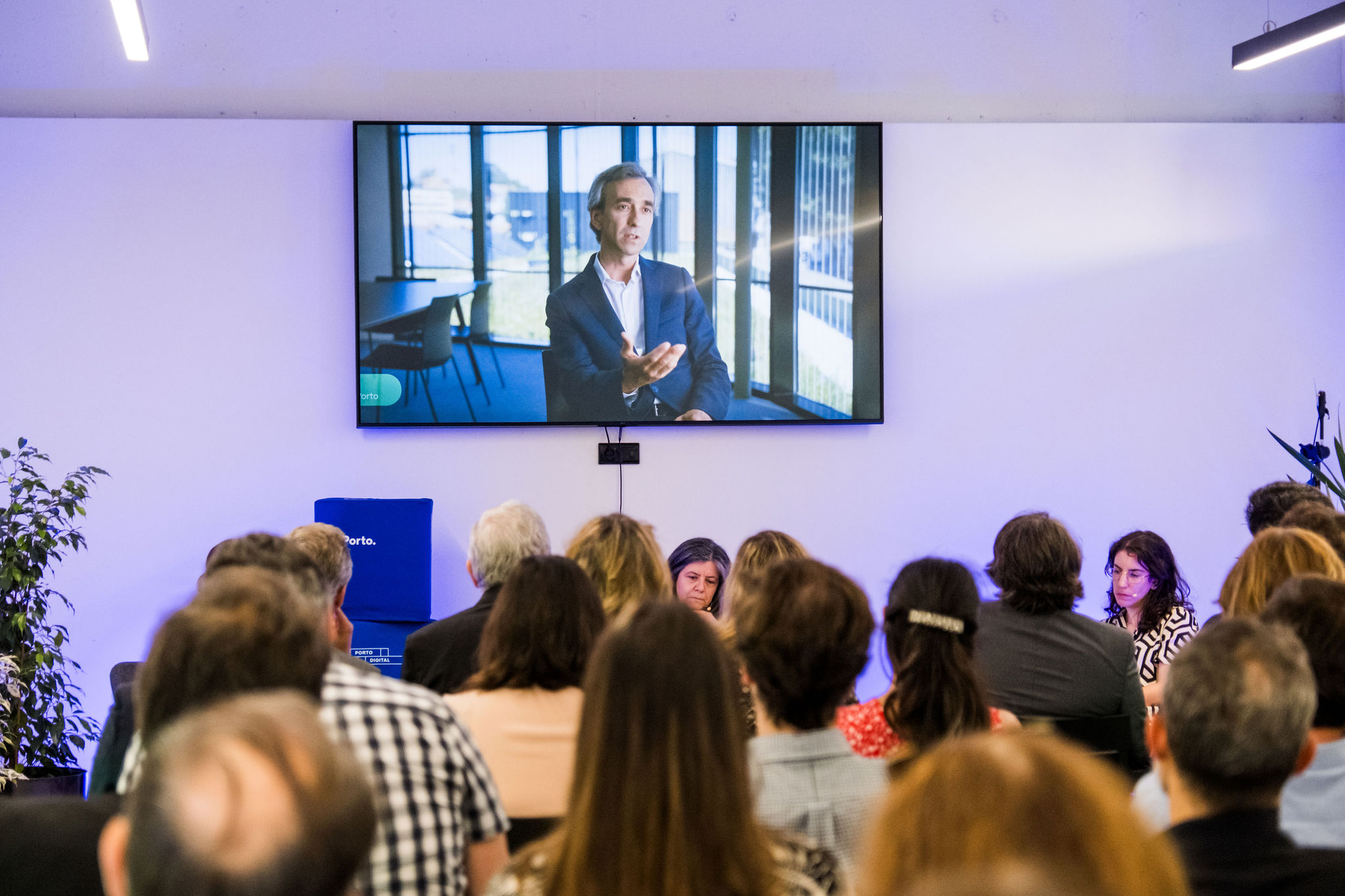
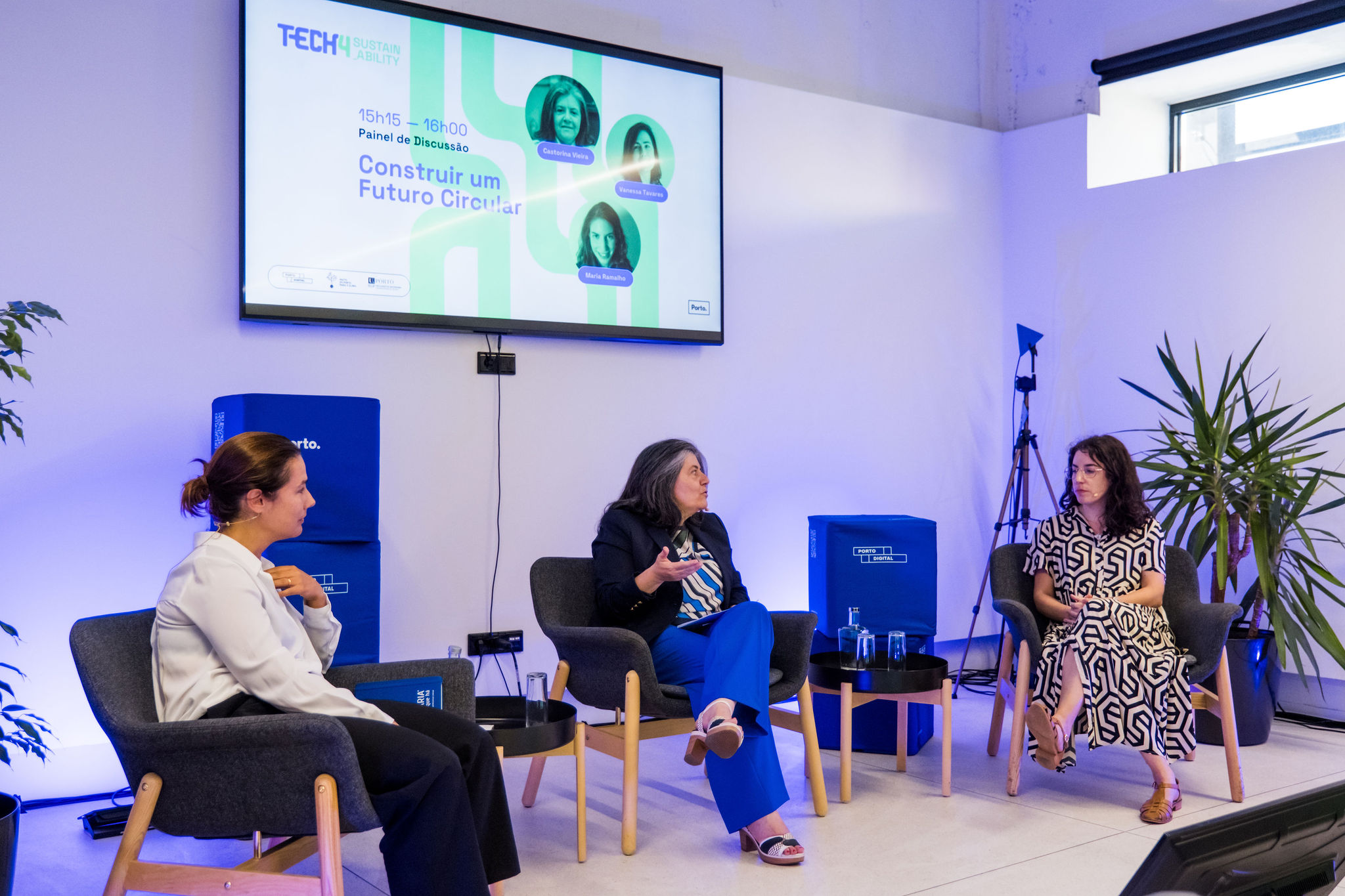
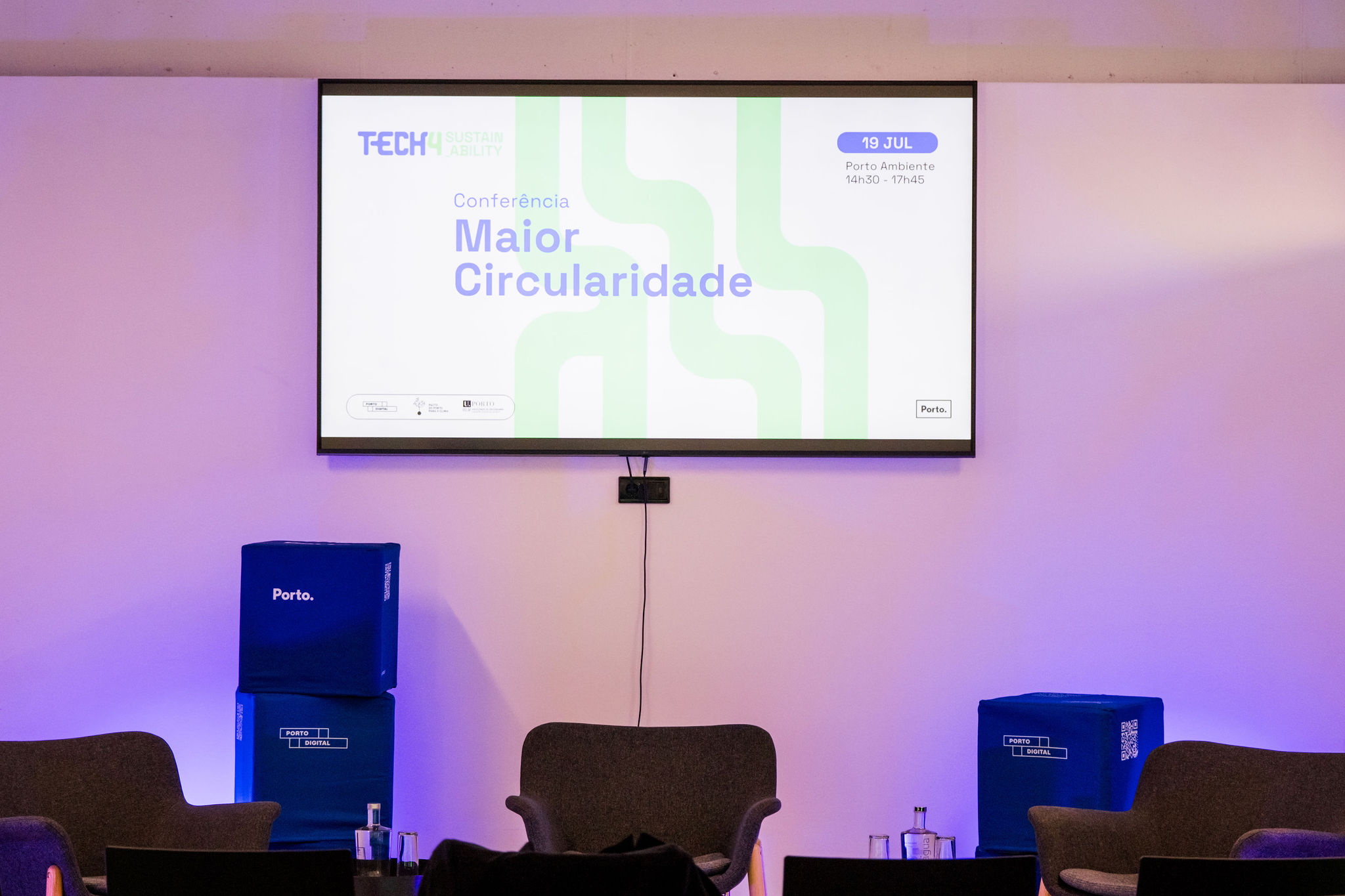
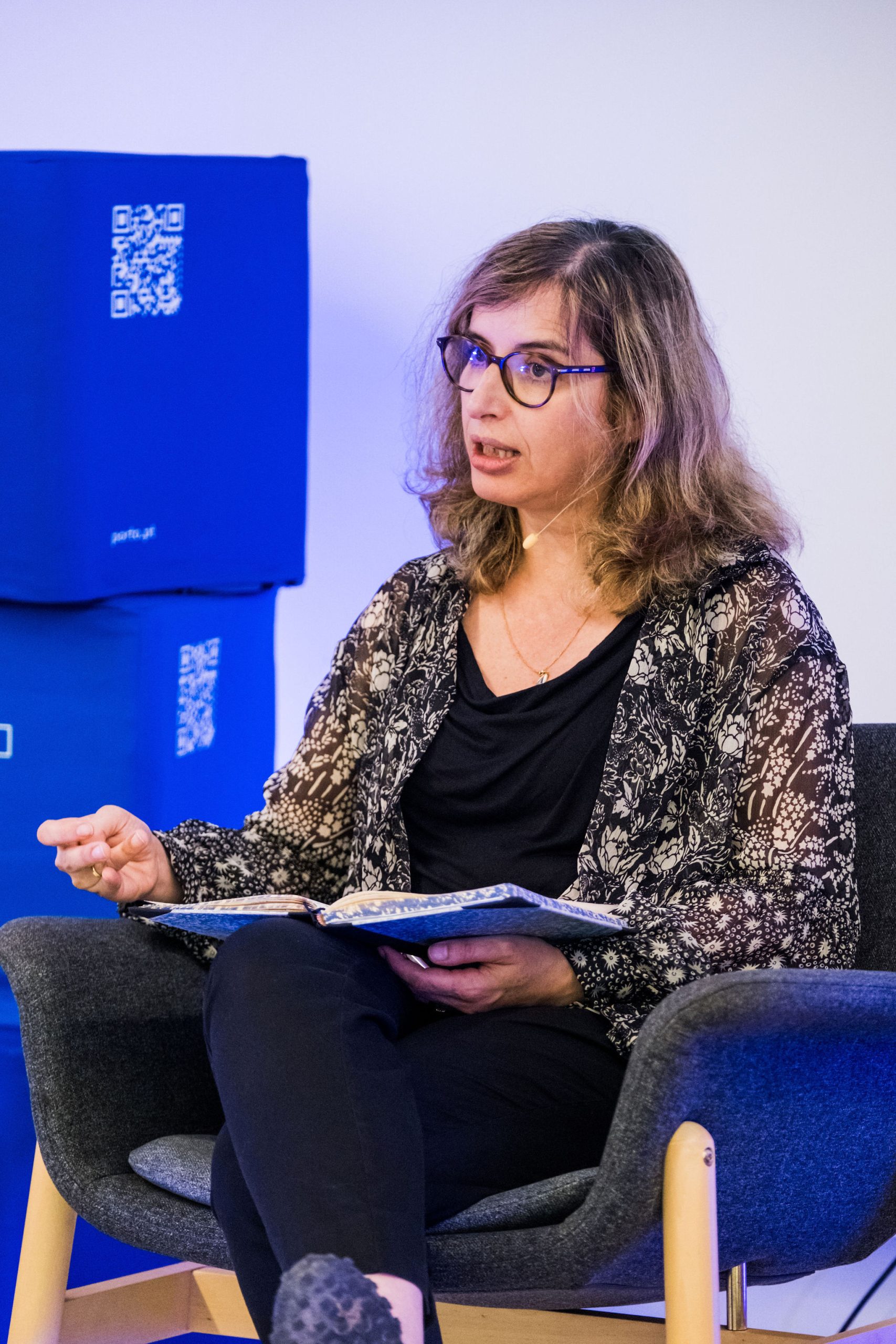
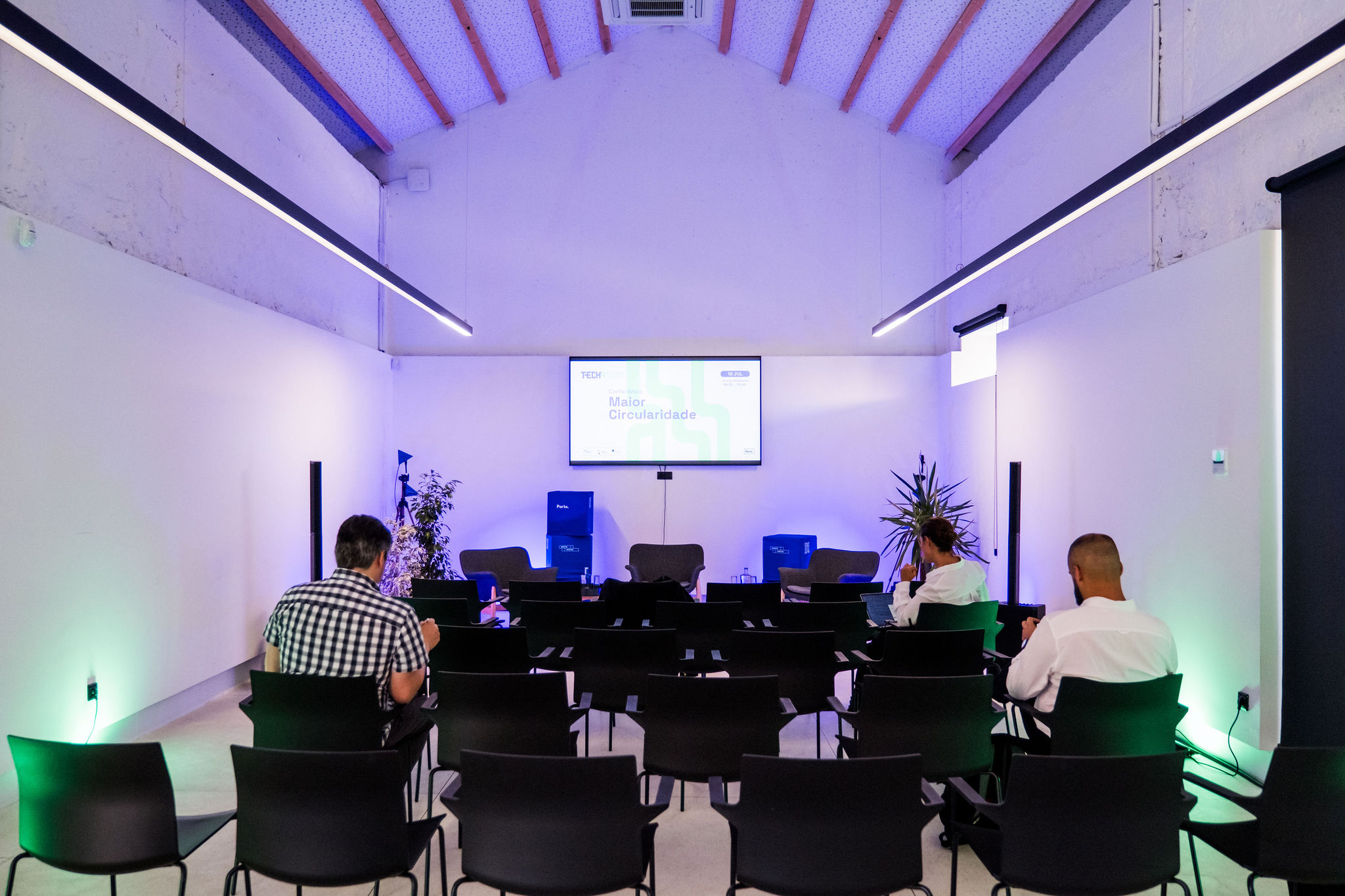
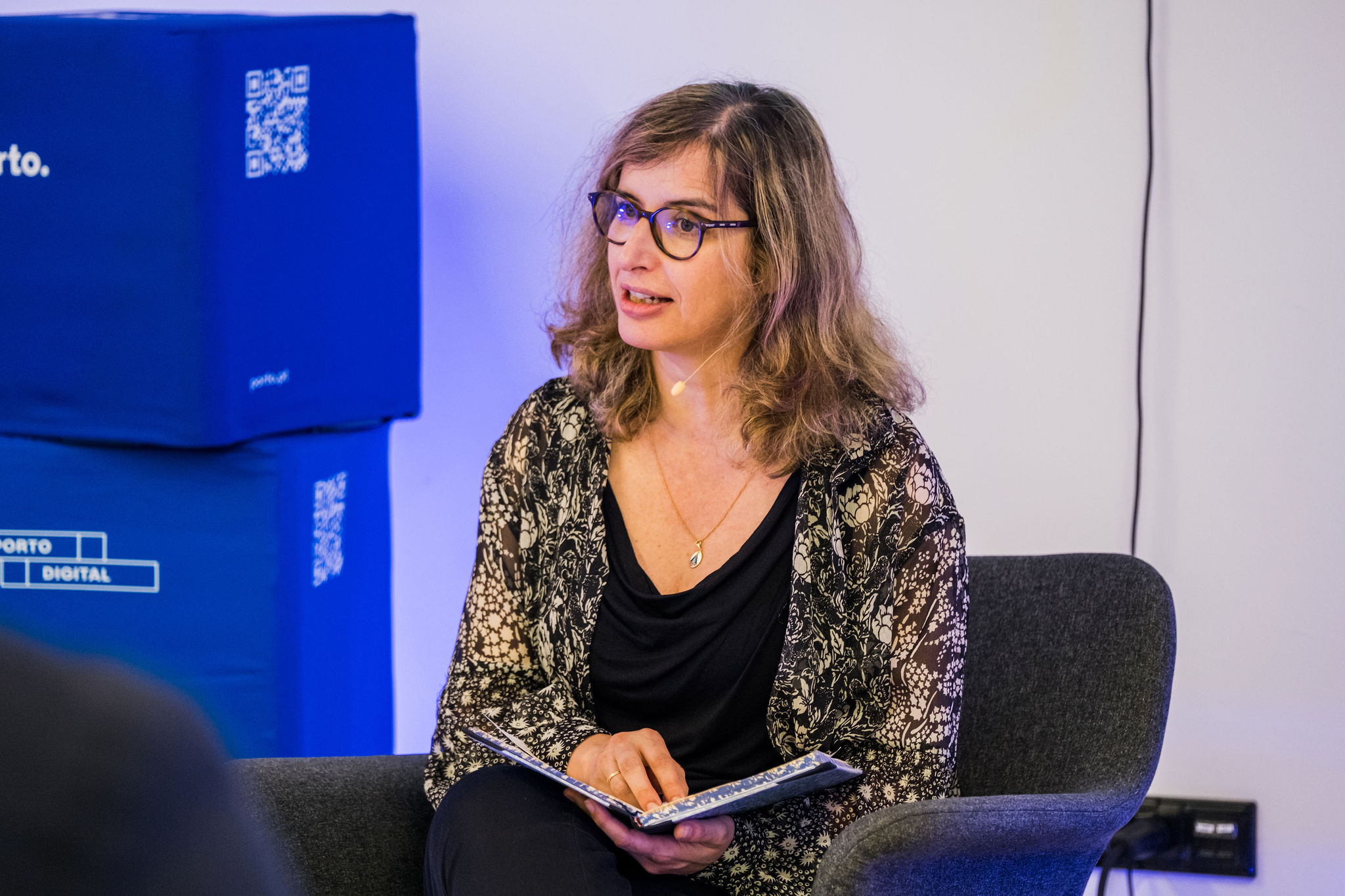
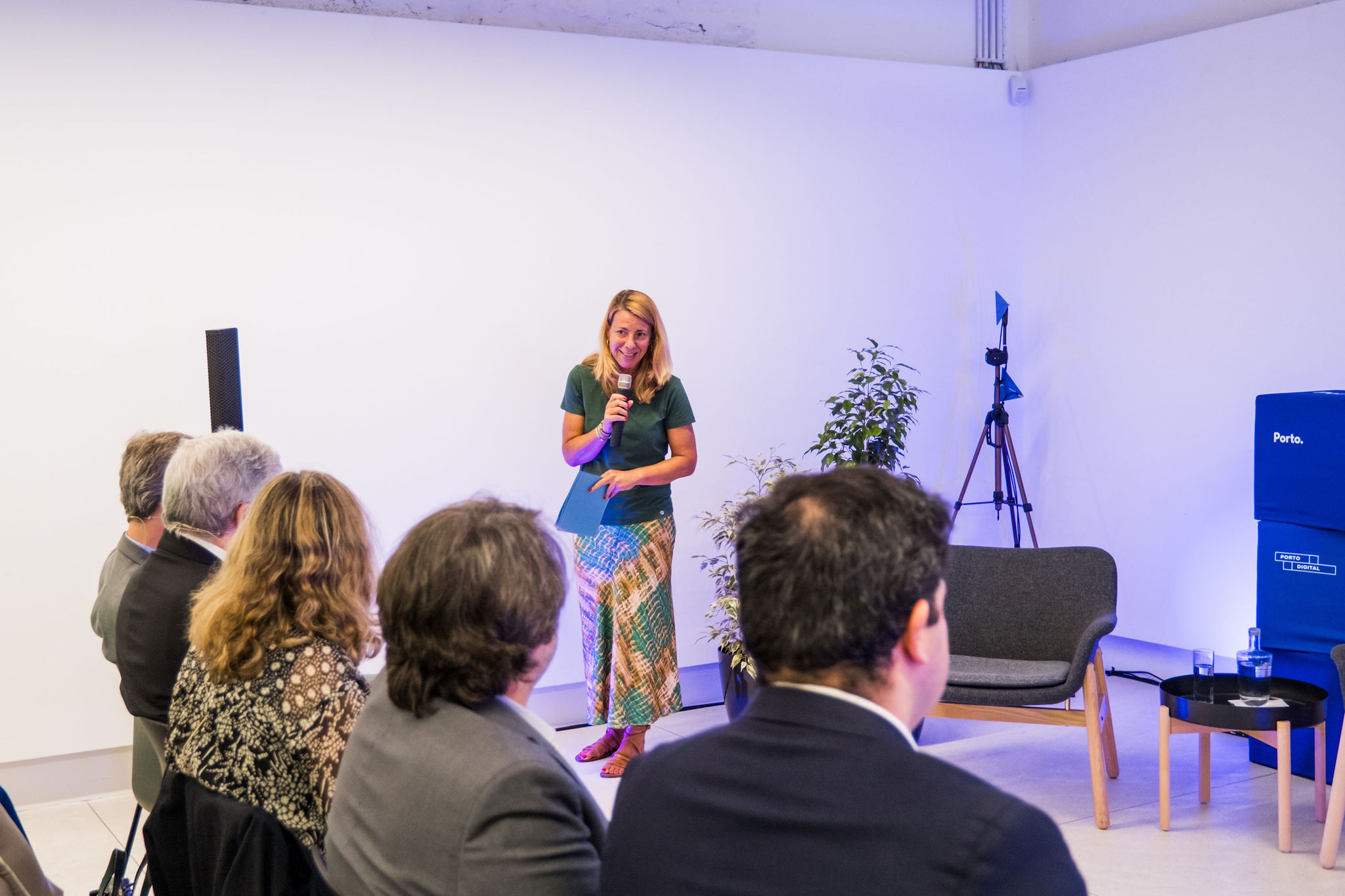
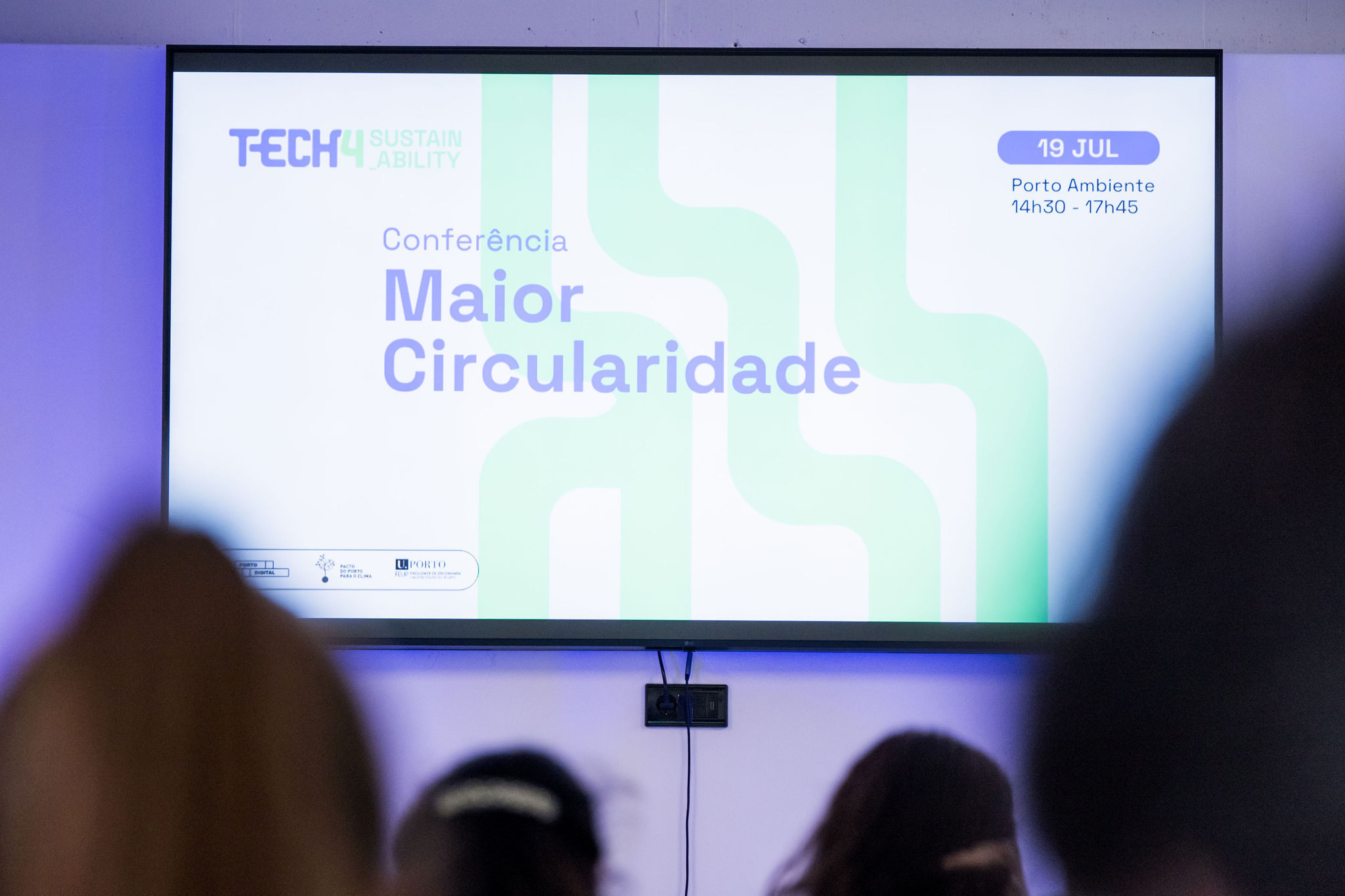
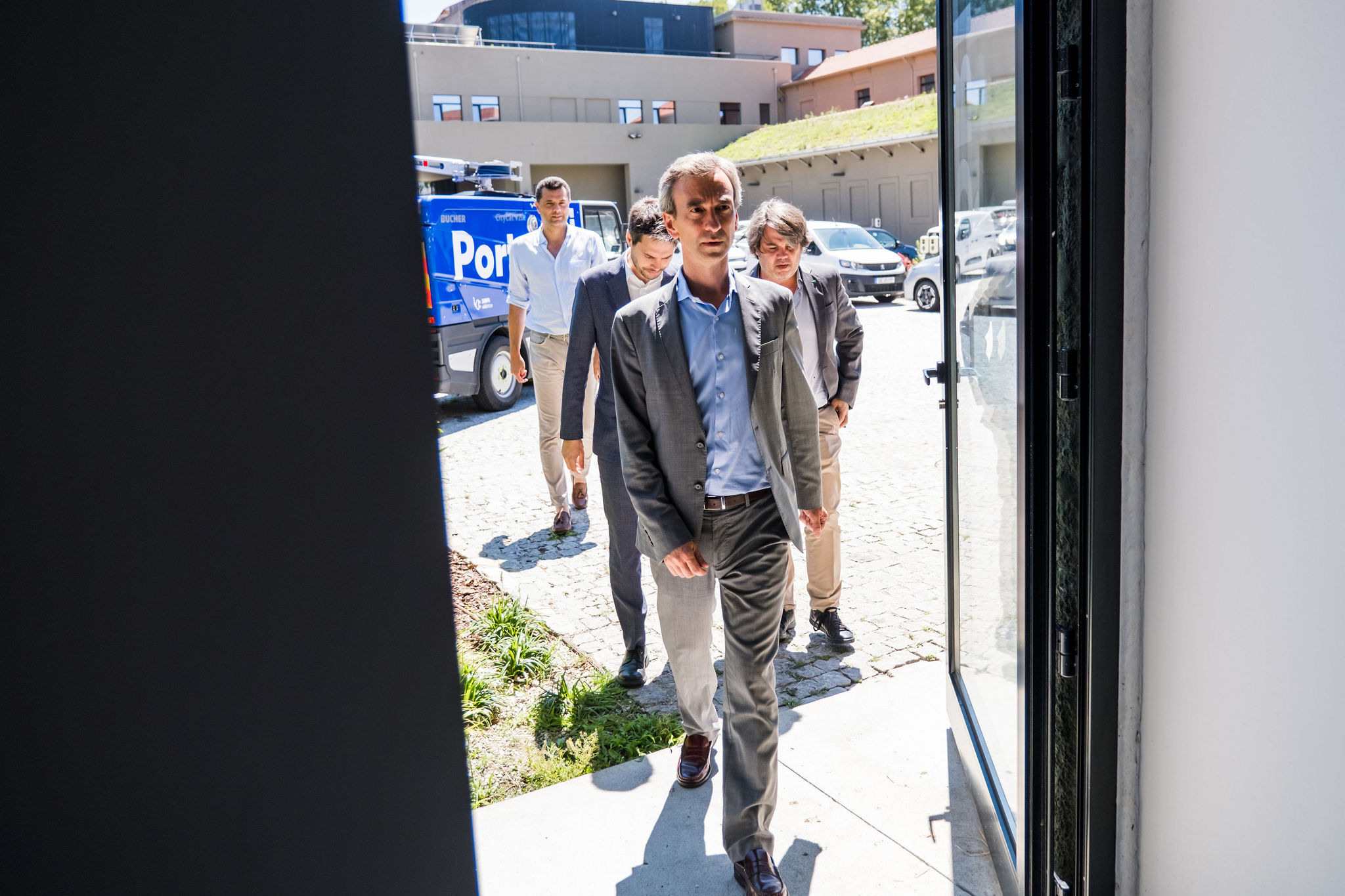
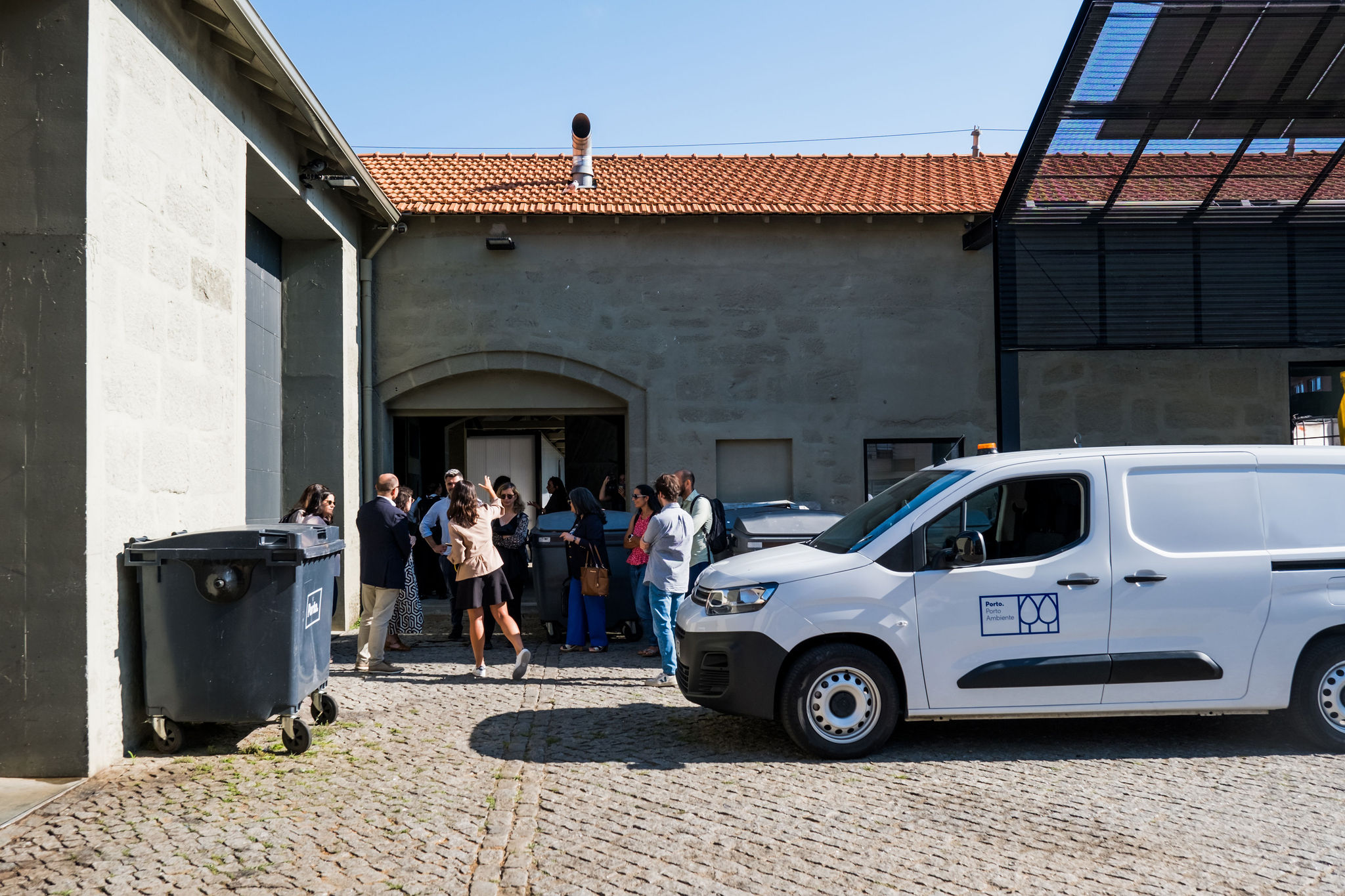
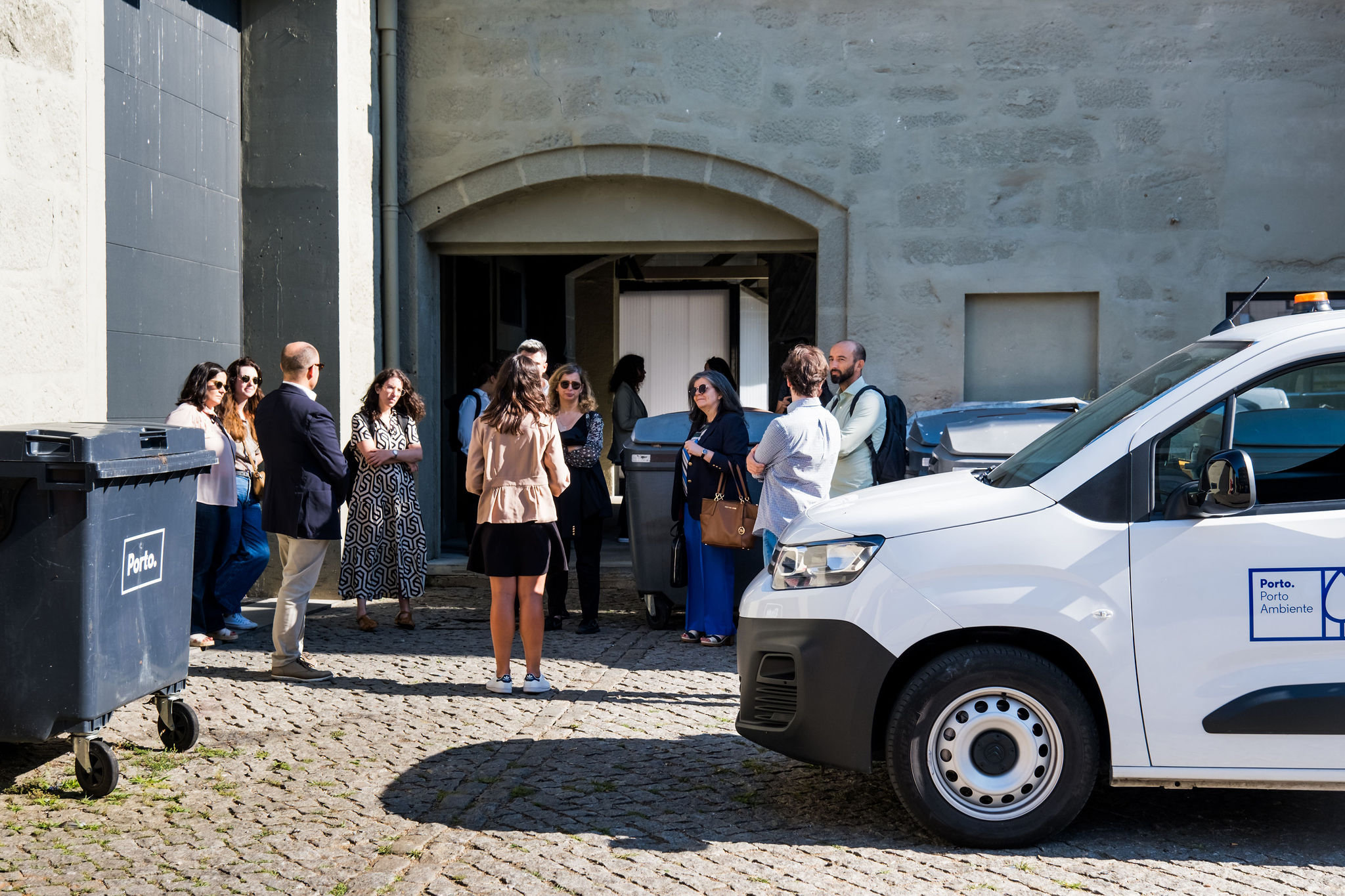
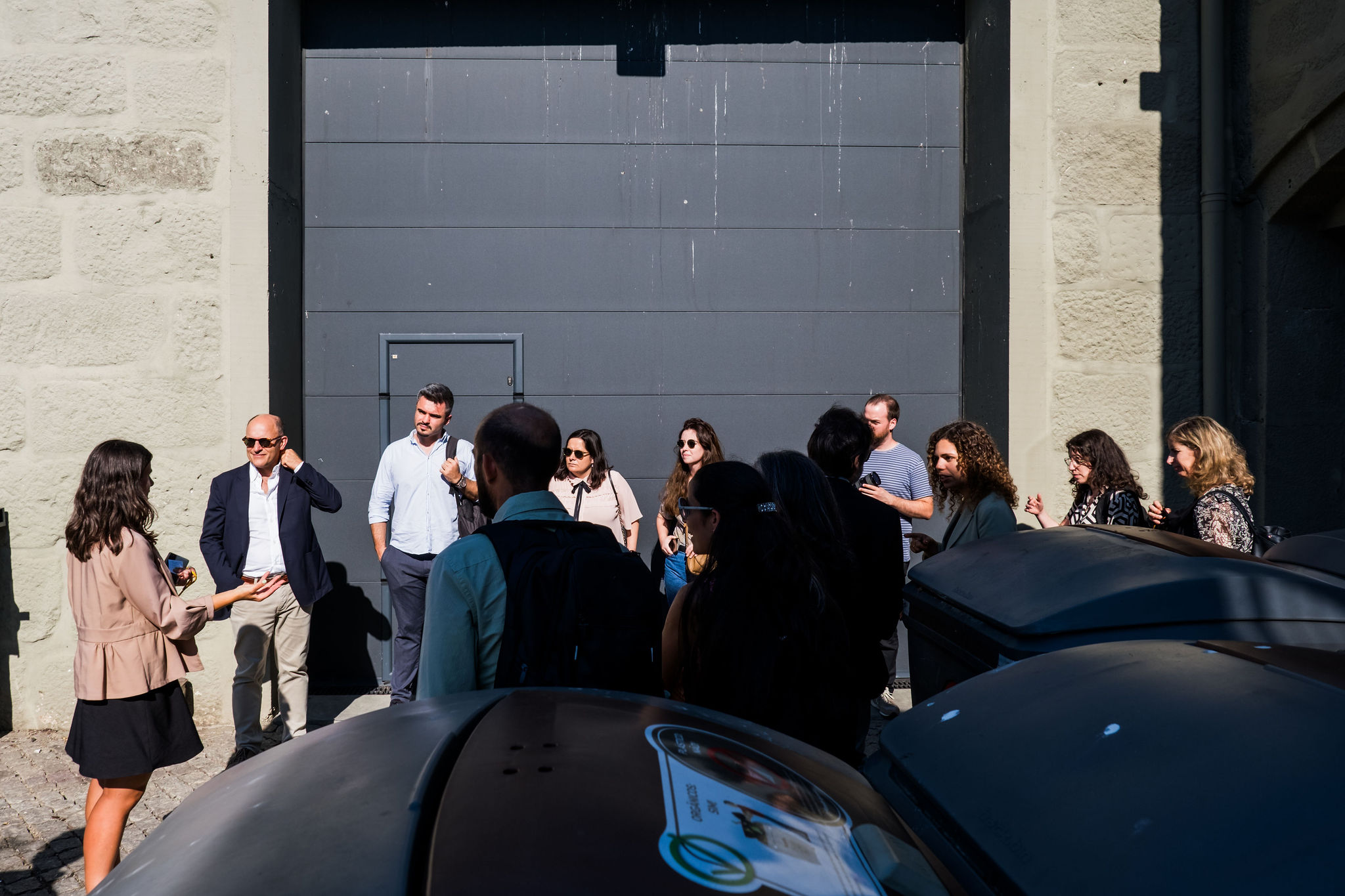
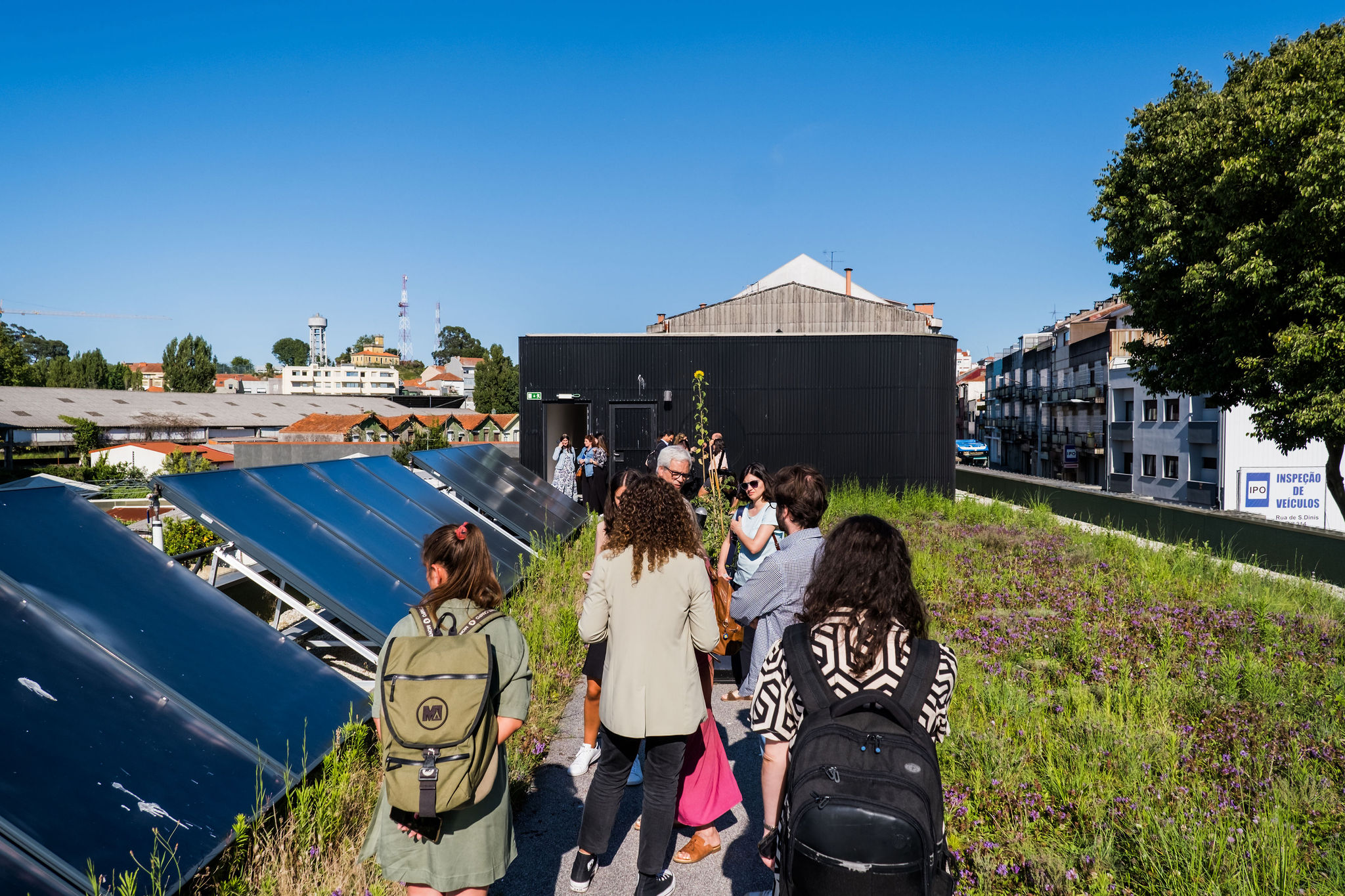
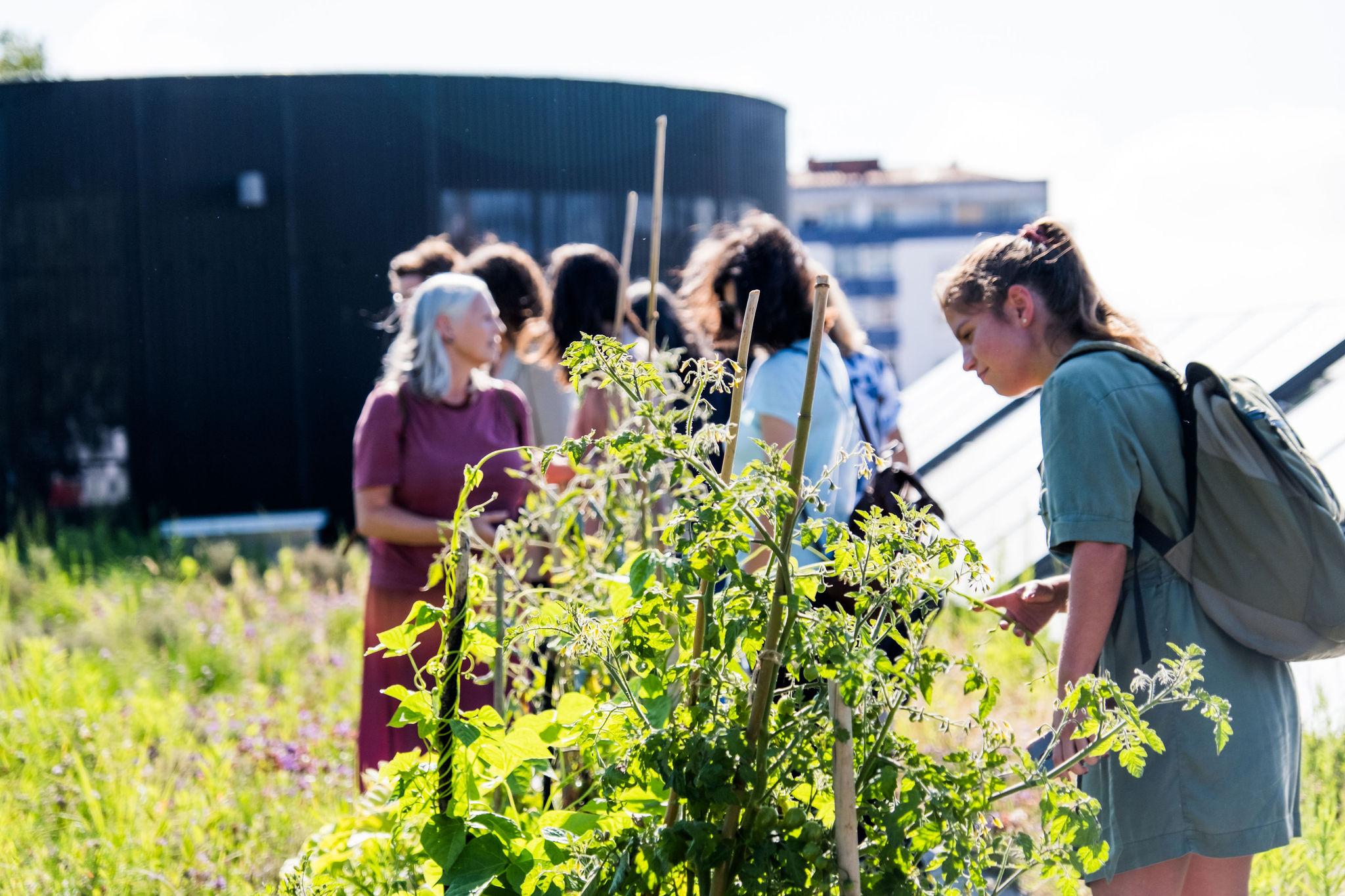
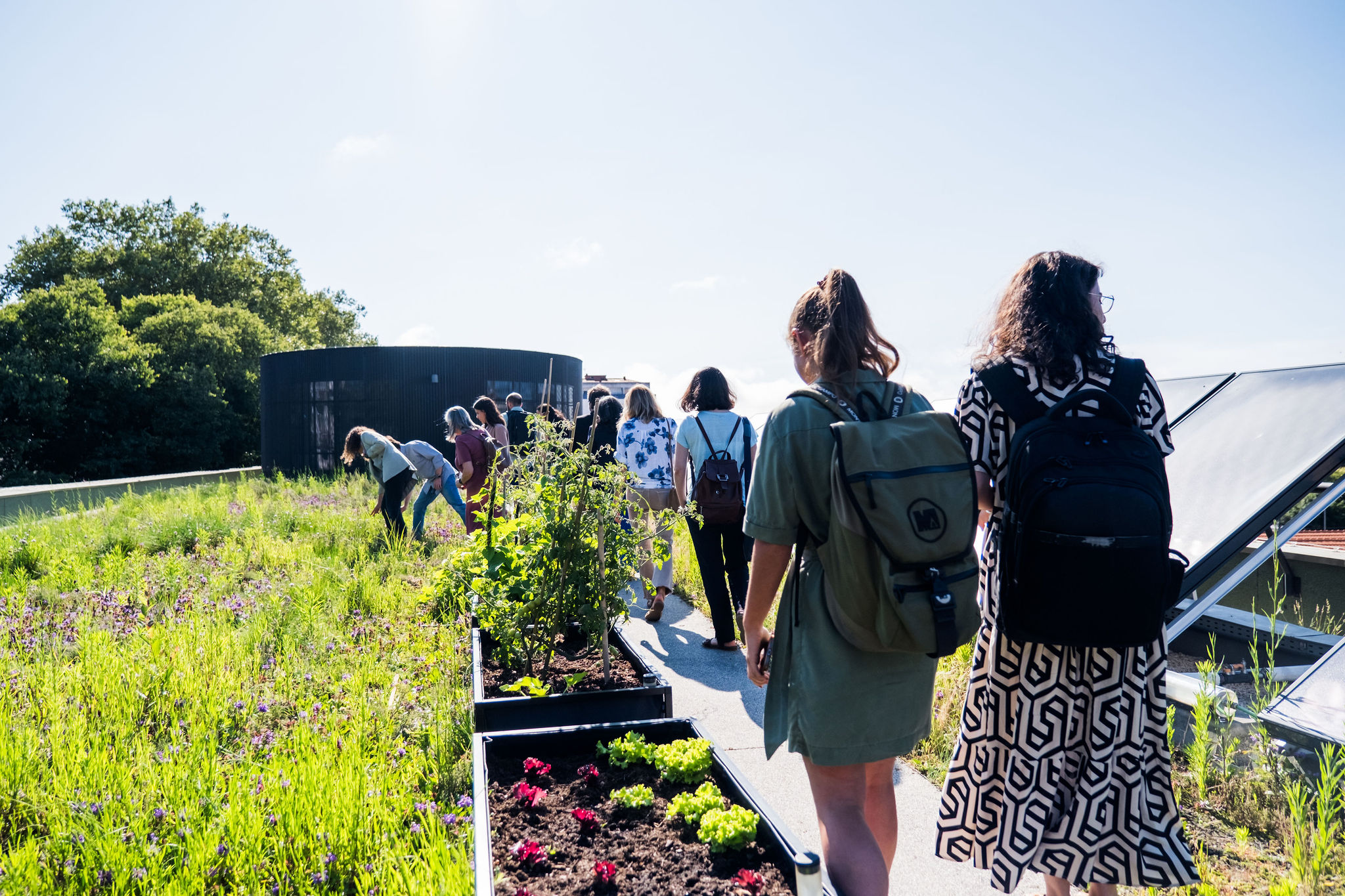
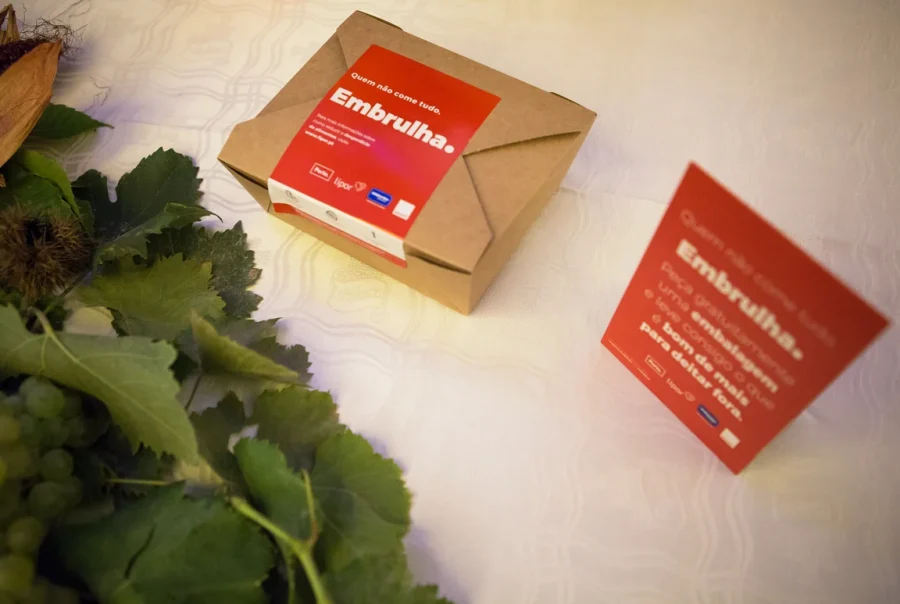
The approach to the theme Greater Circularity focuses on highlighting the importance of re-evaluating the lifecycle of products and materials, encouraging solutions that promote recycling, reducing excessive consumption, and reusing materials. The targeted projects involve water reuse, reducing food waste, and encouraging local consumption, aligning with the goal of reducing Porto’s ecological footprint.
Through practical examples – ranging from the use of technologies to repurpose materials in construction to the transformation of urban waste into new resources – it is possible to demonstrate how circularity can be effectively applied in an urban context.


Documentary
Documentary Civil Engeneering Departament FEUP
Conference
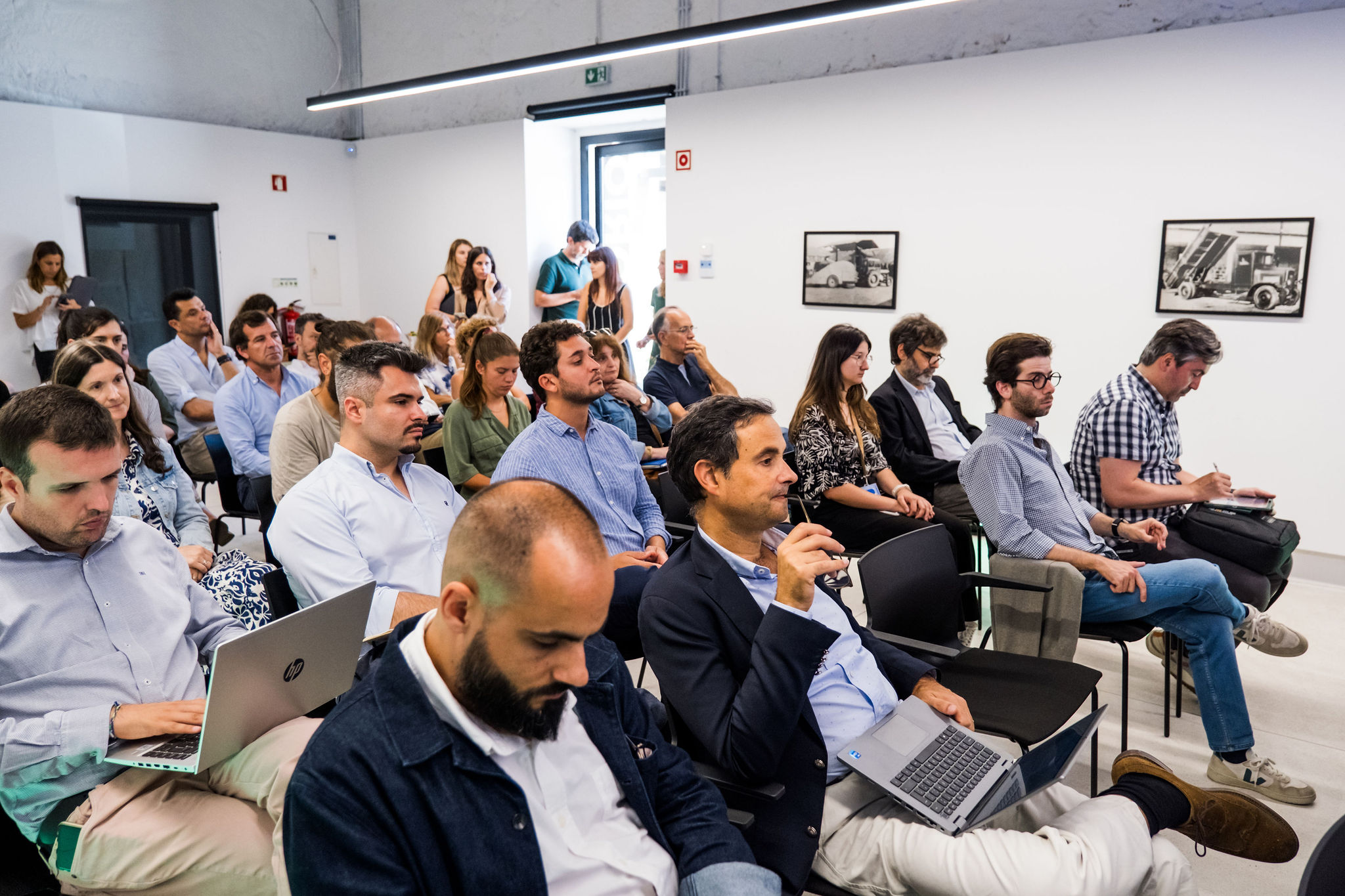
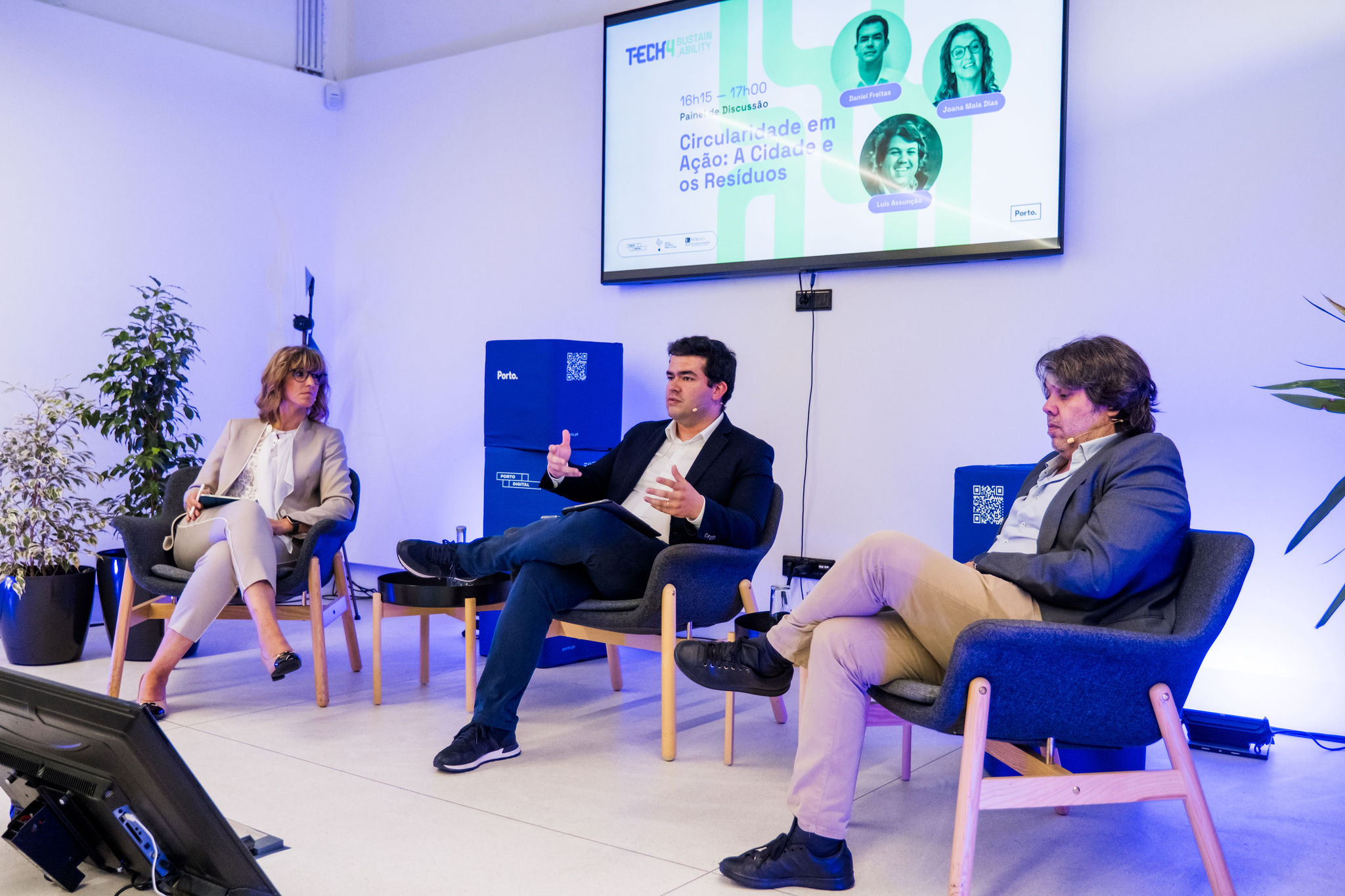
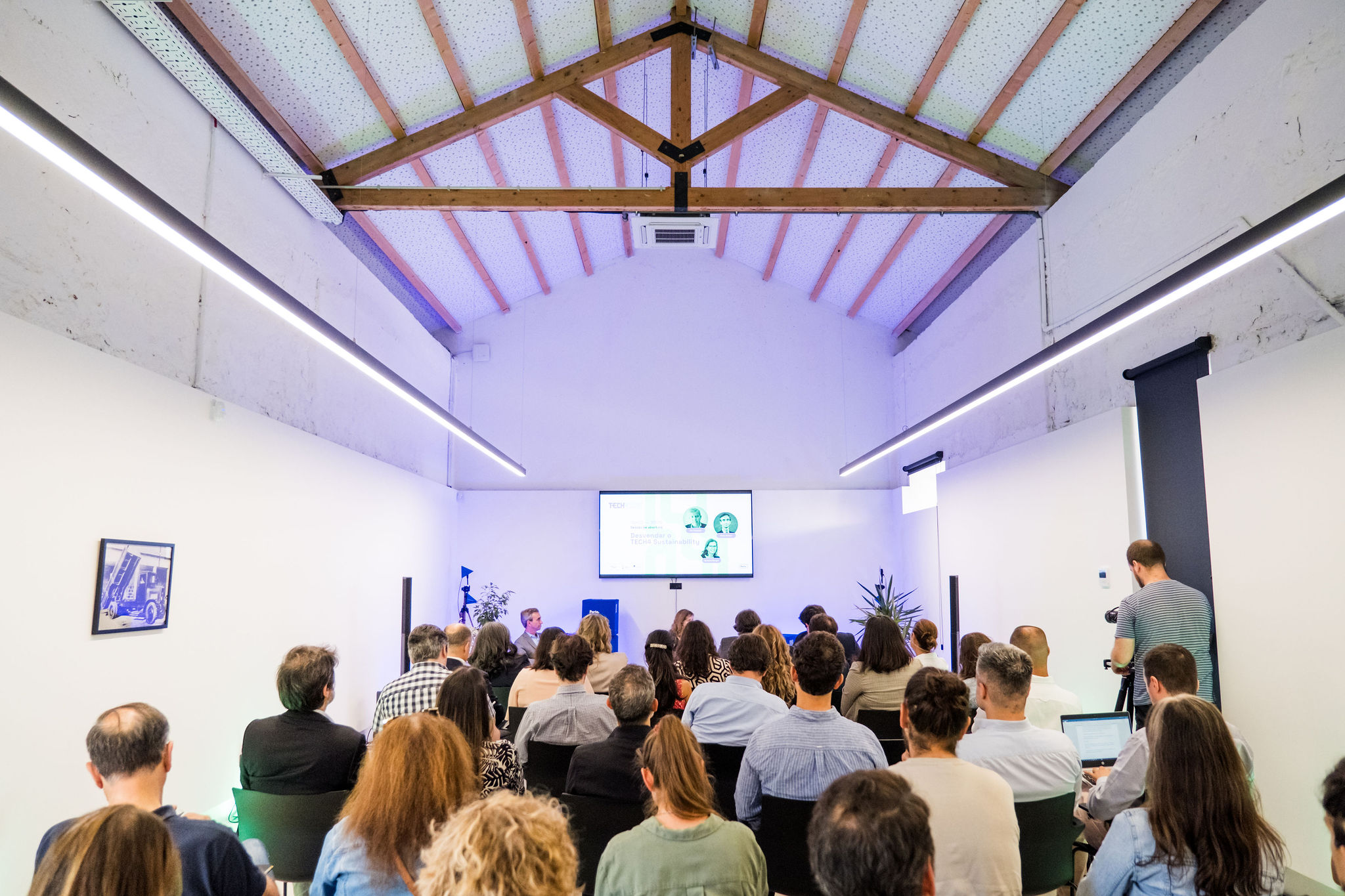
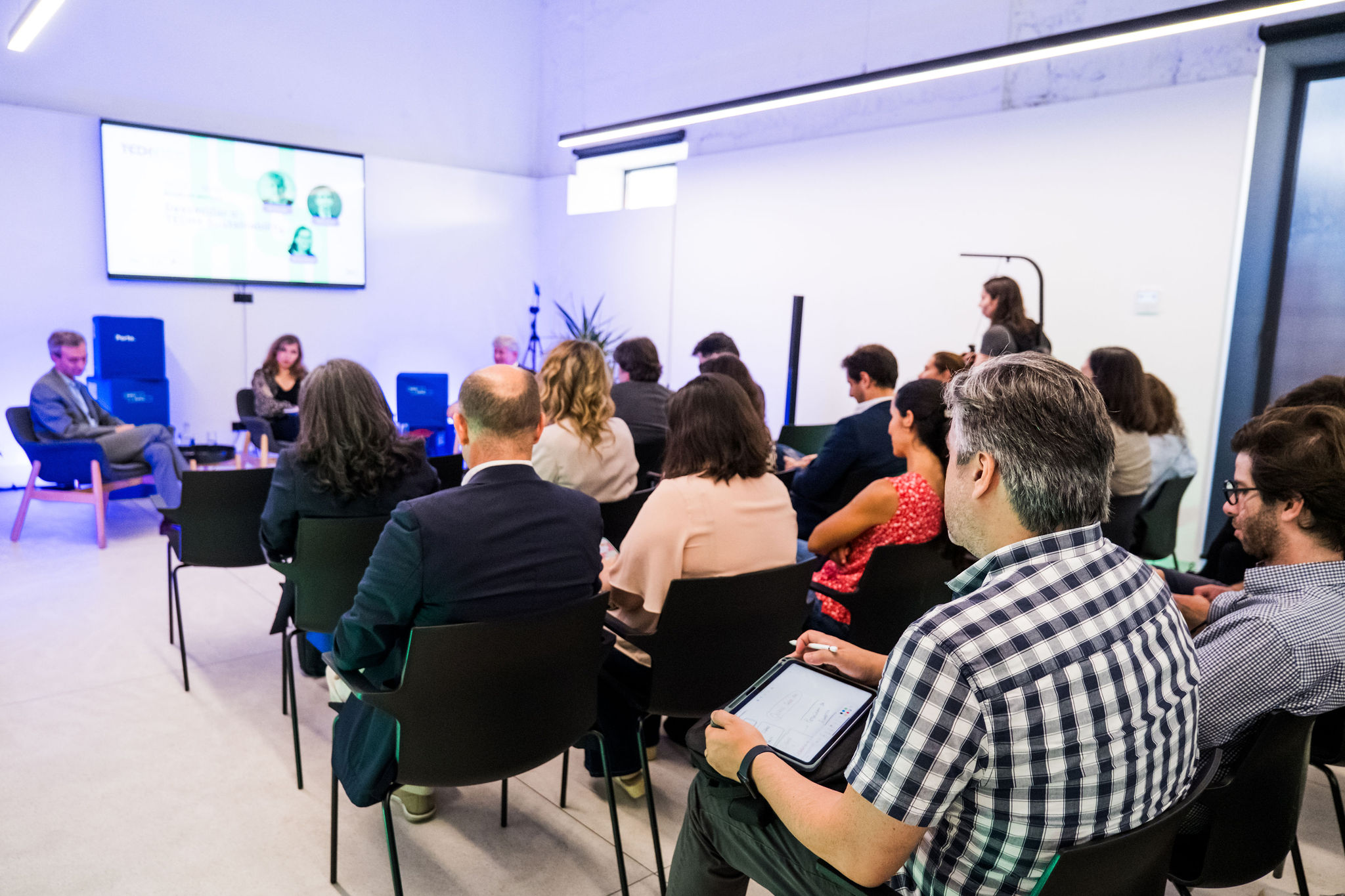
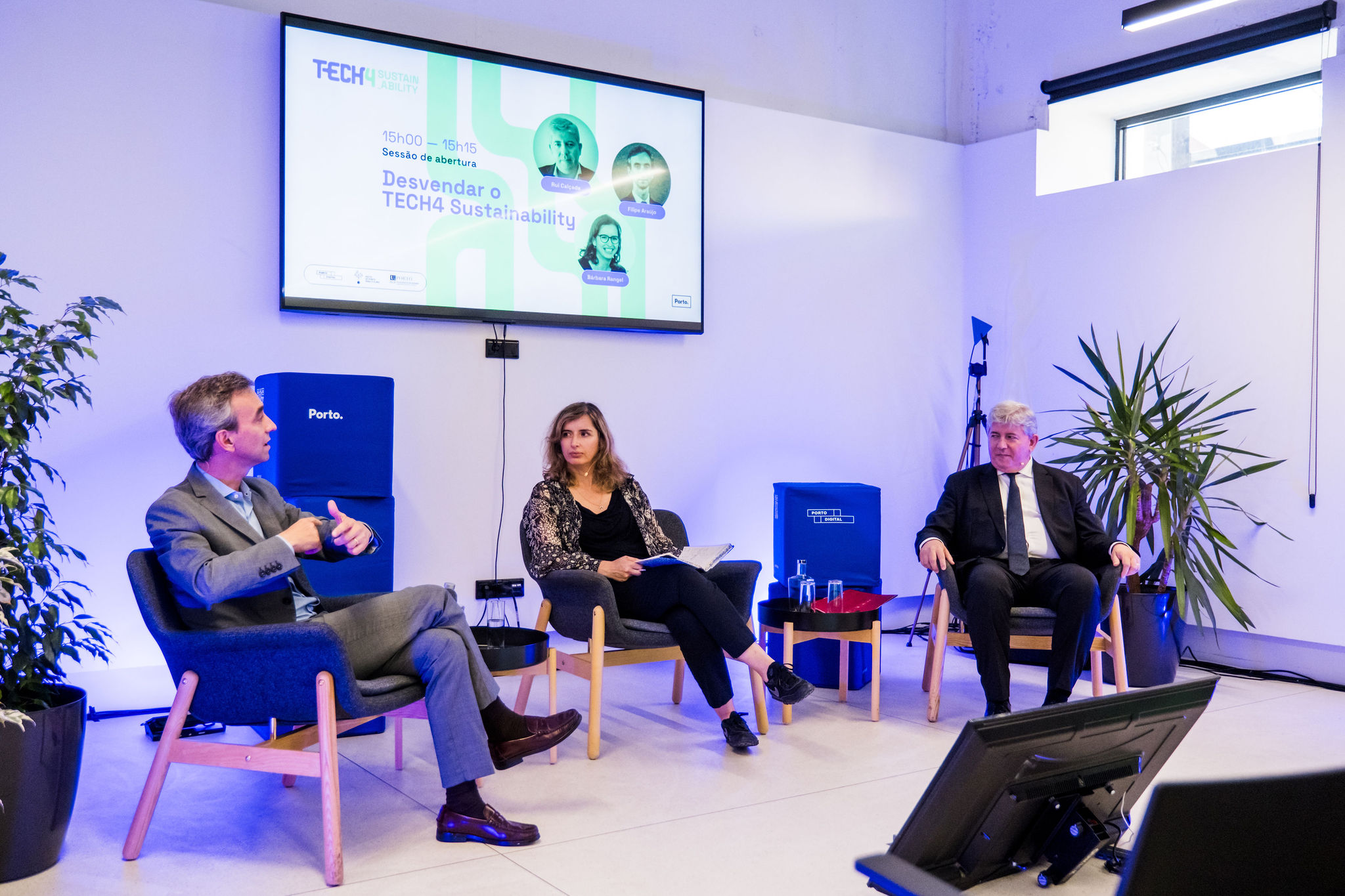
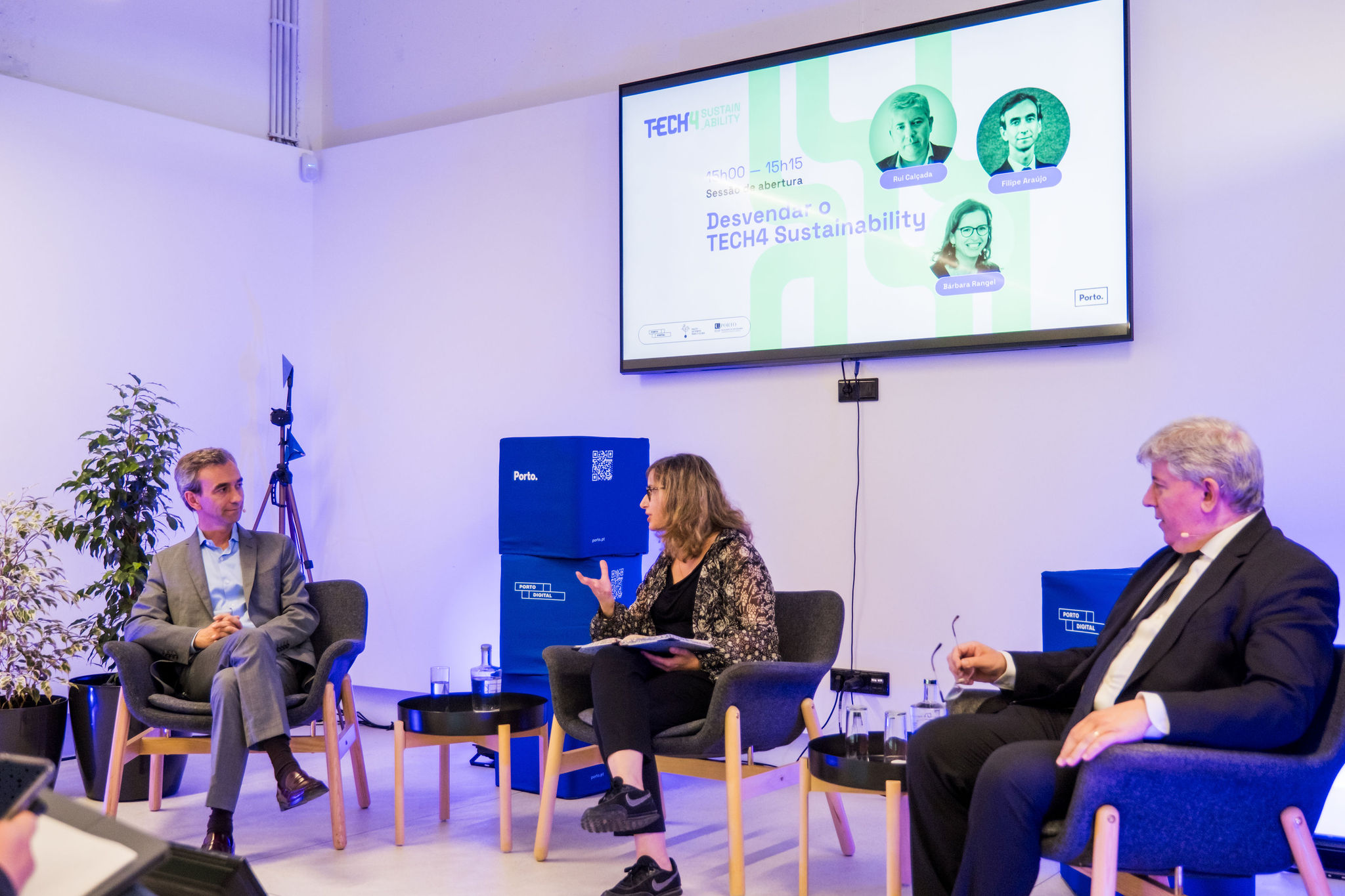
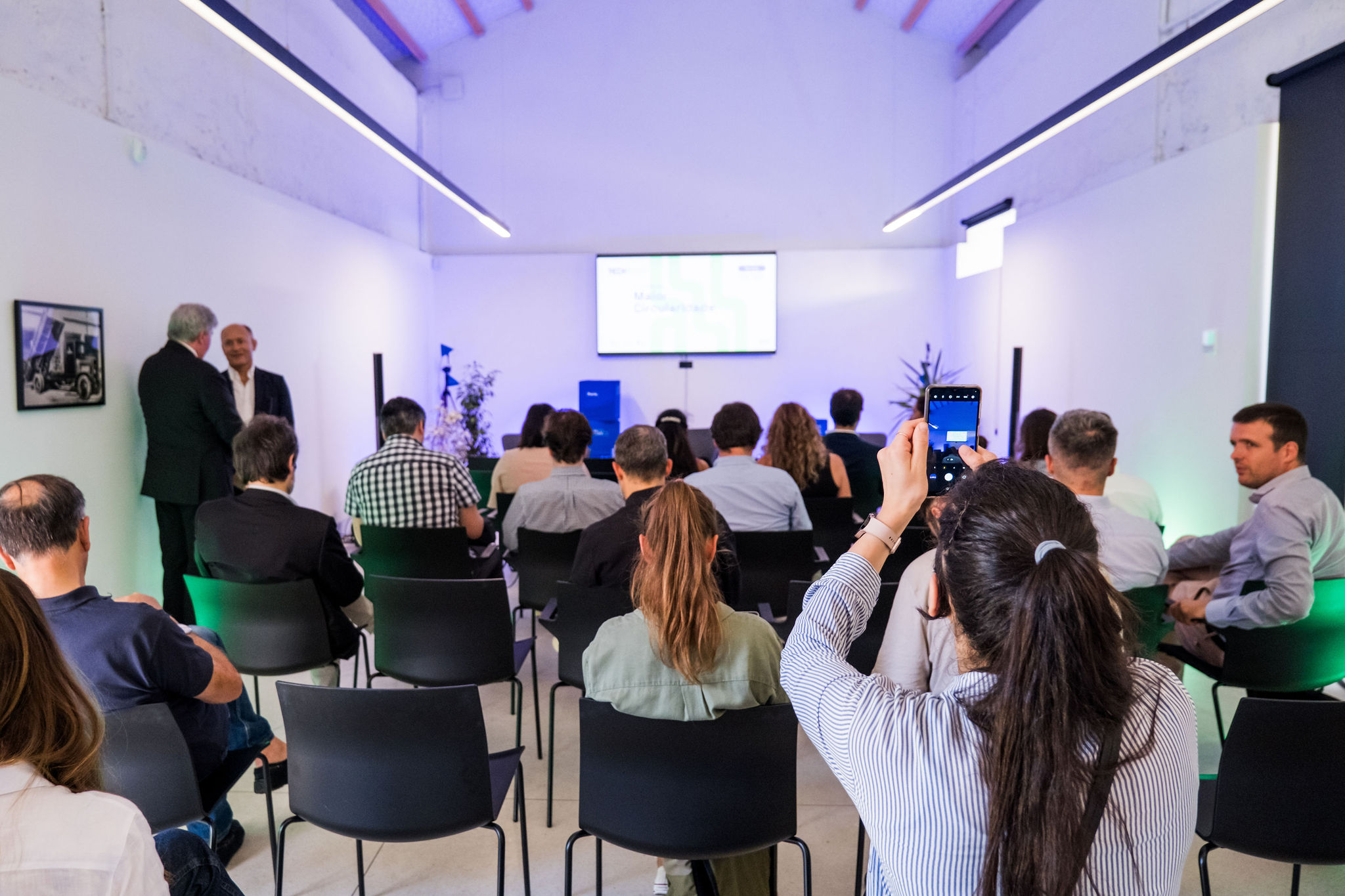
At the TECH4 Sustainability conference, the crucial role of sustainable mobility in combating climate change and improving urban quality of life was highlighted.
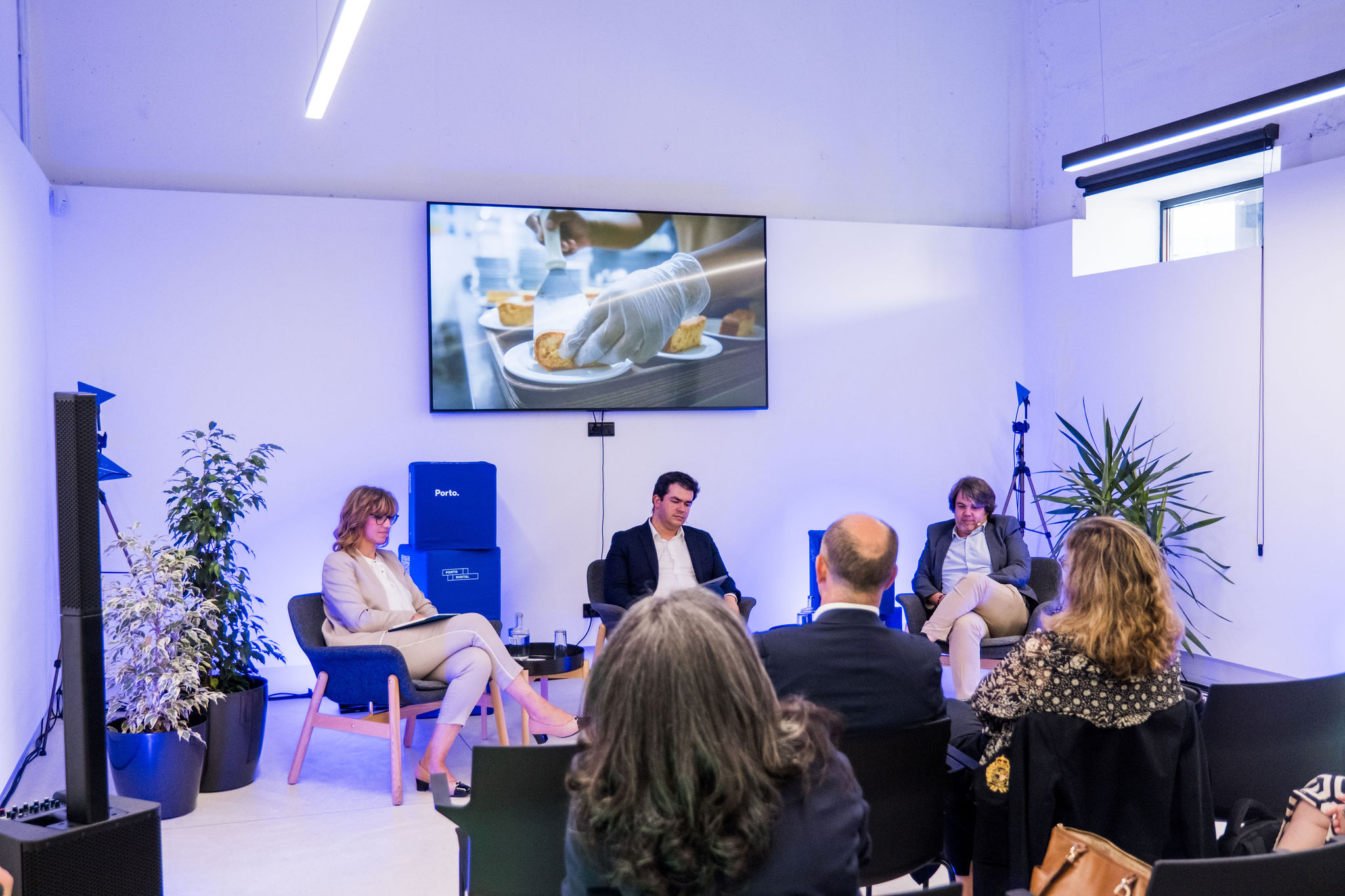
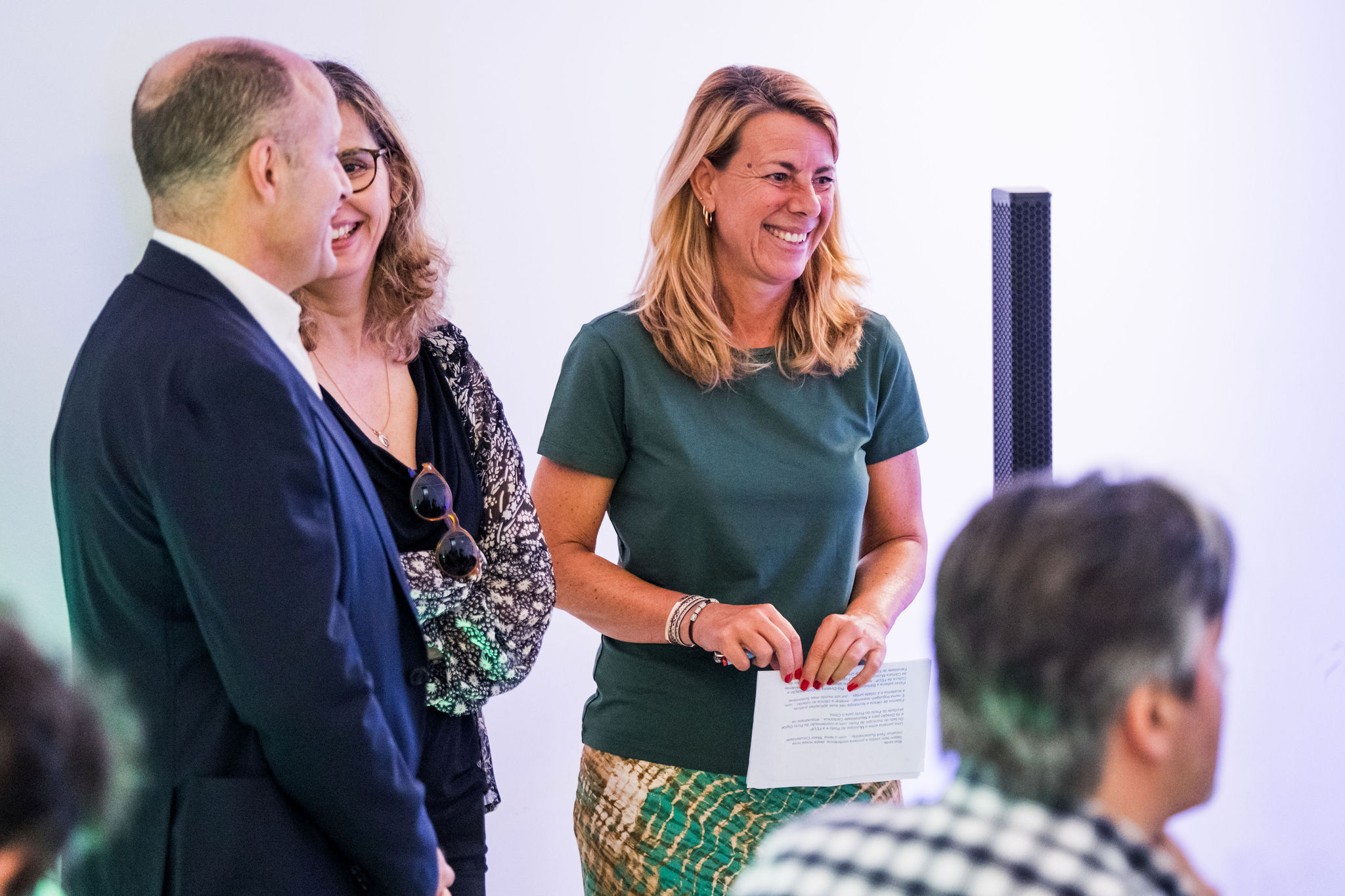
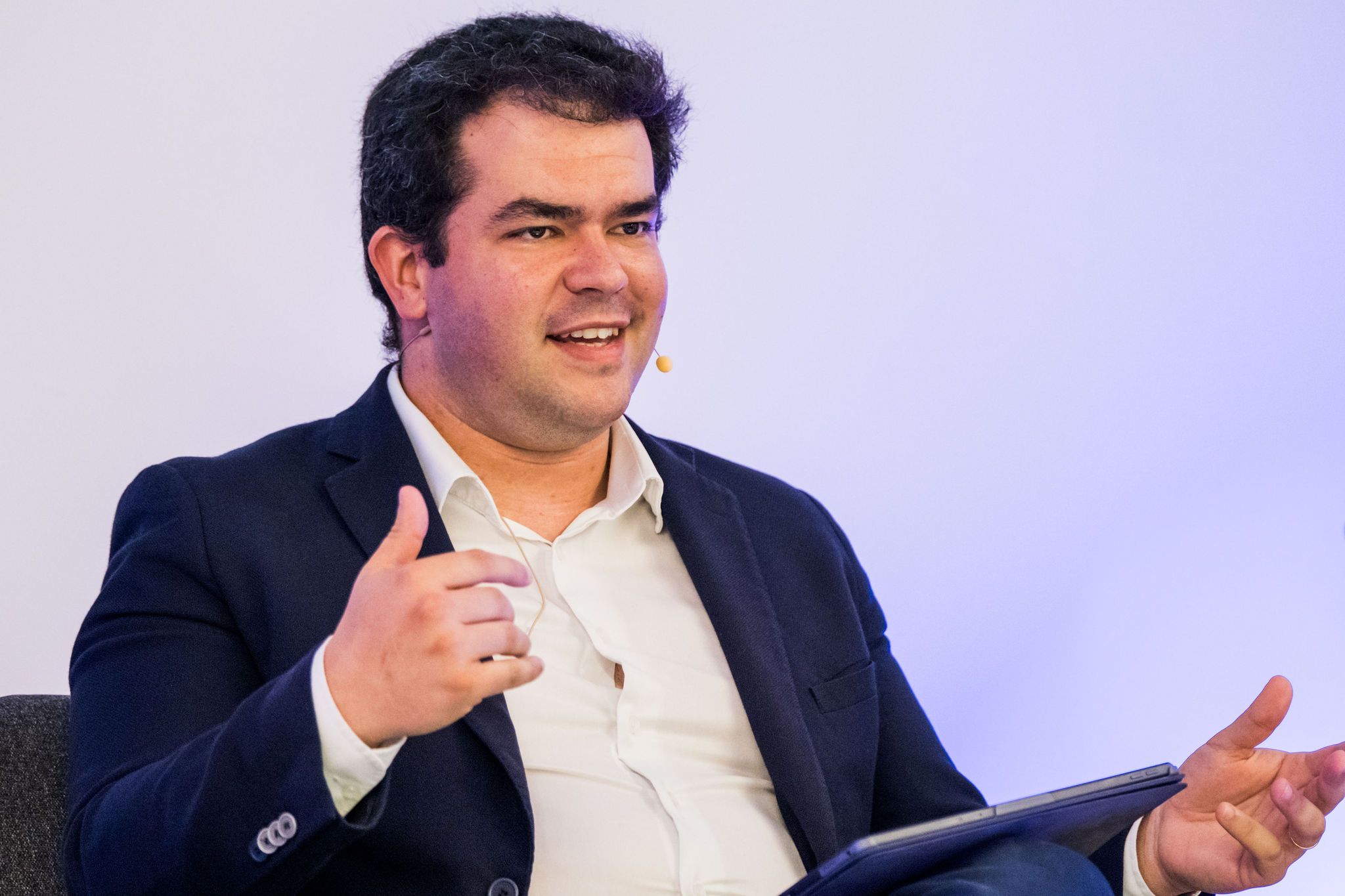
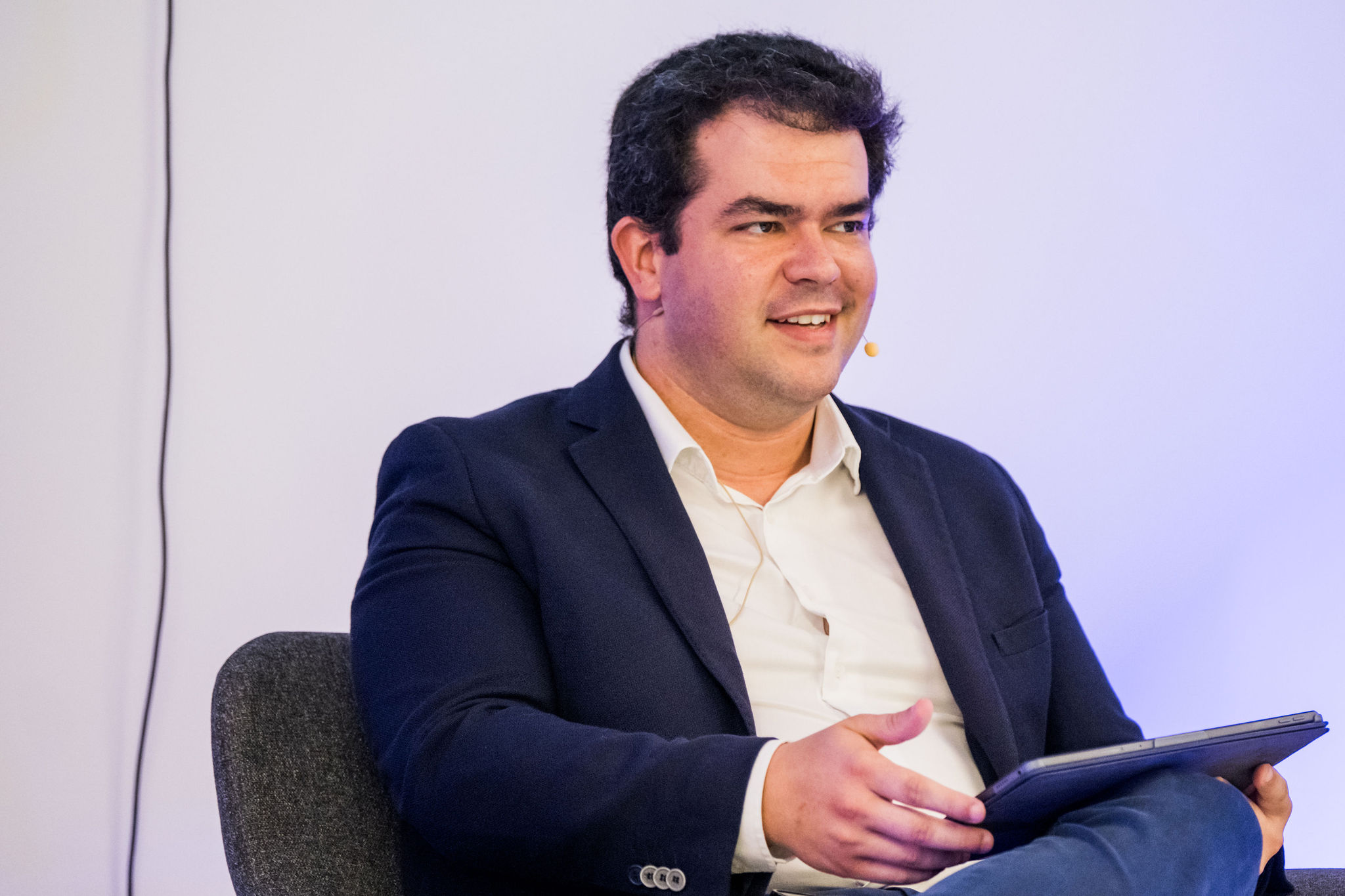
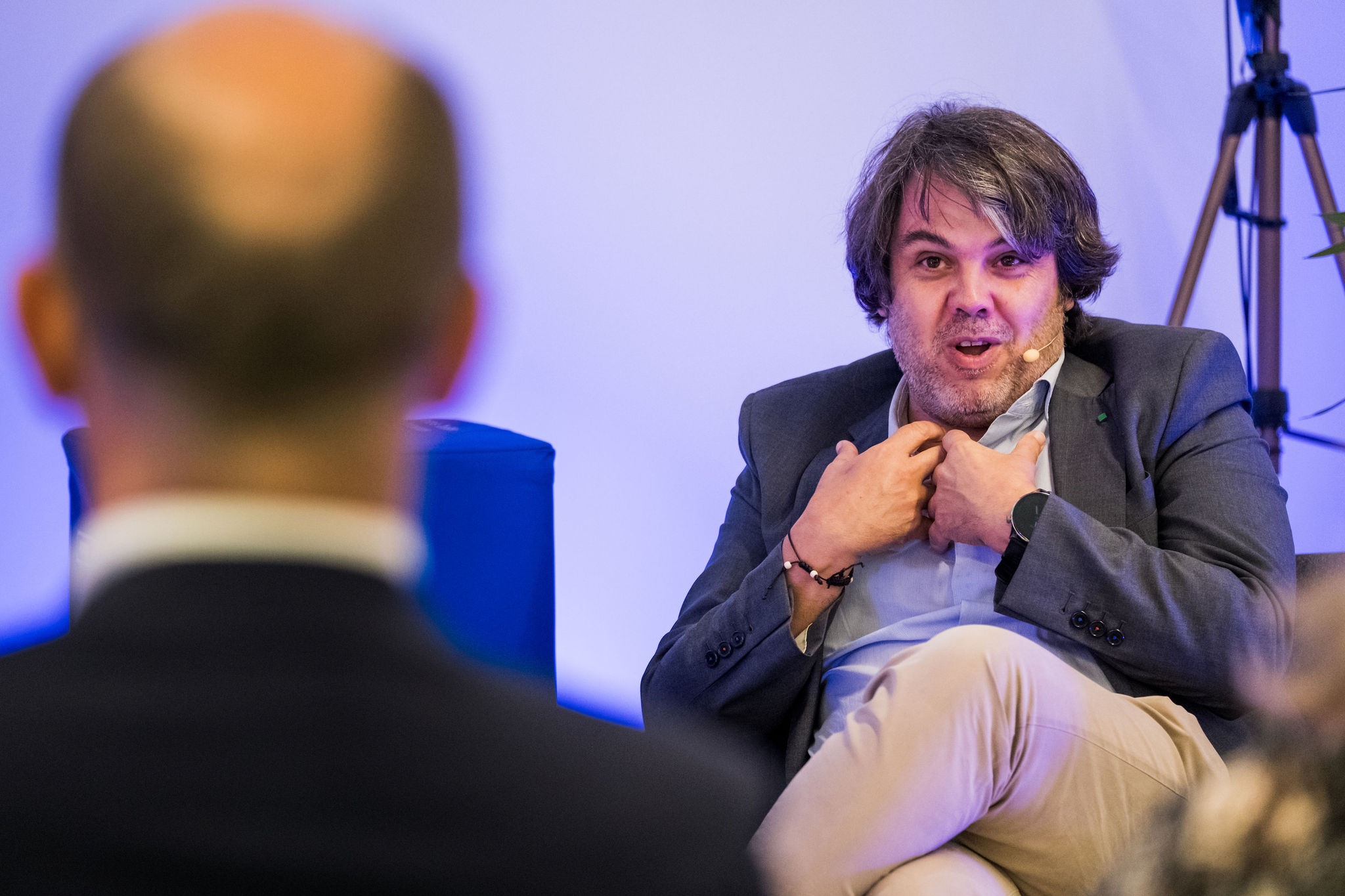
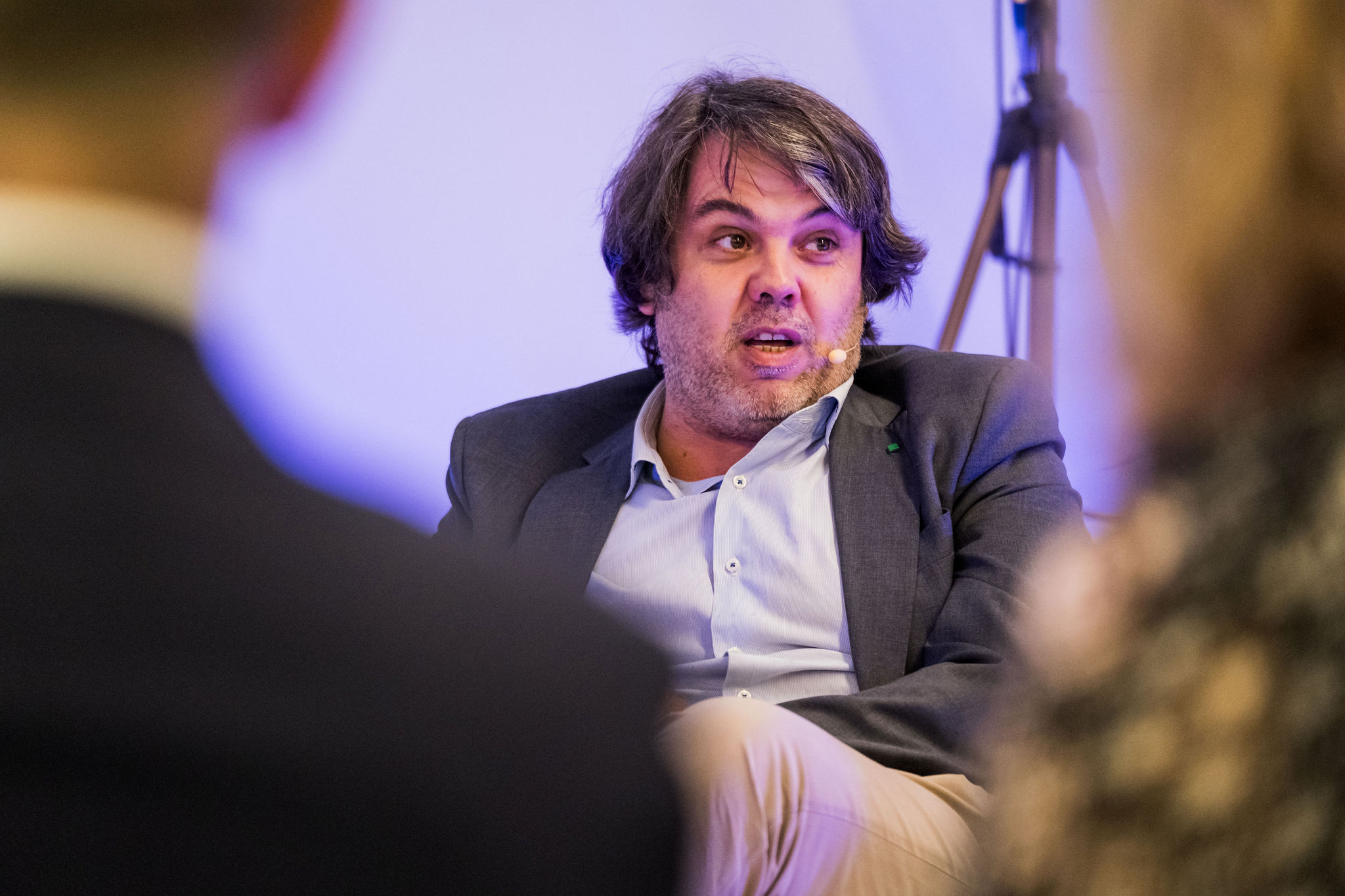
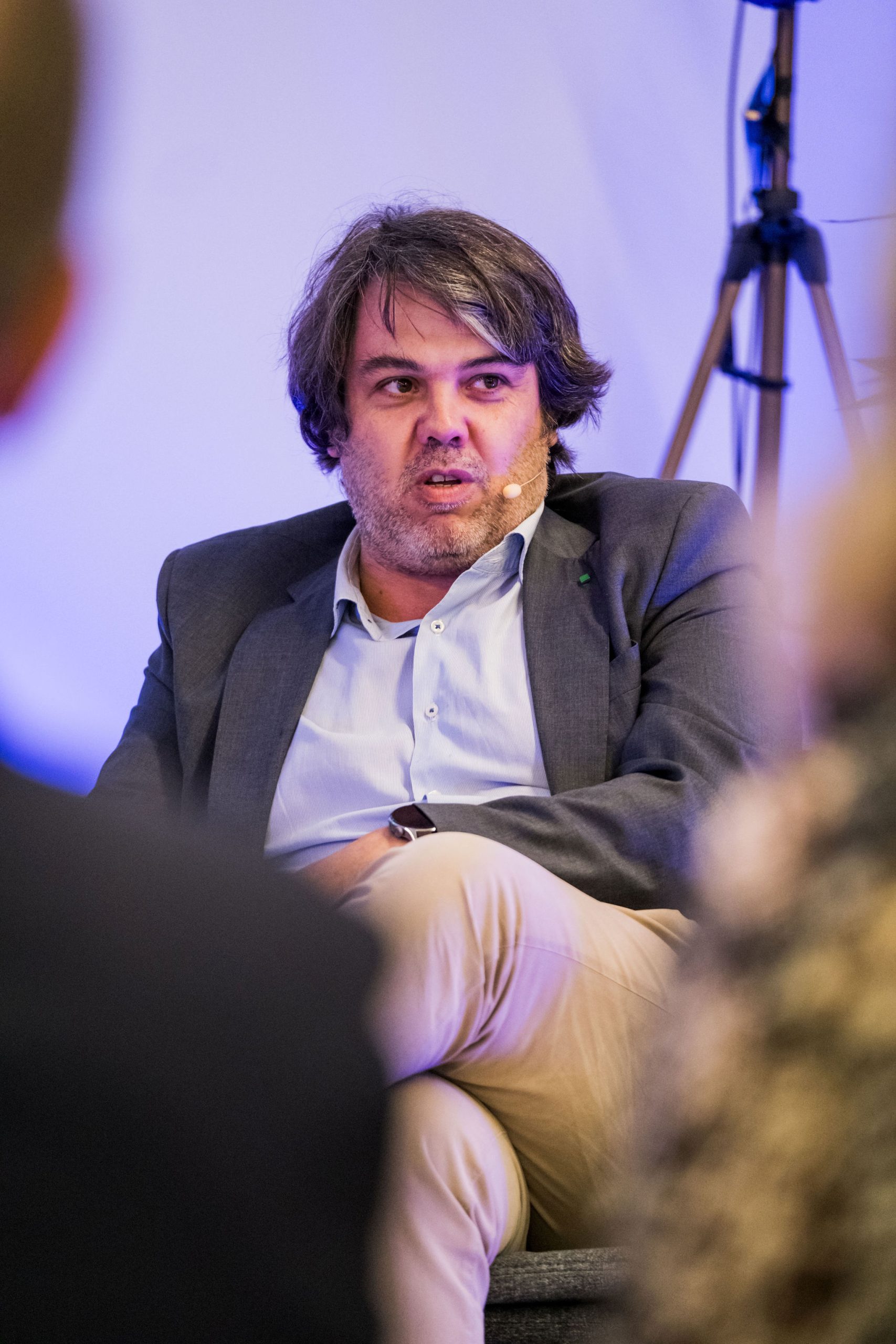
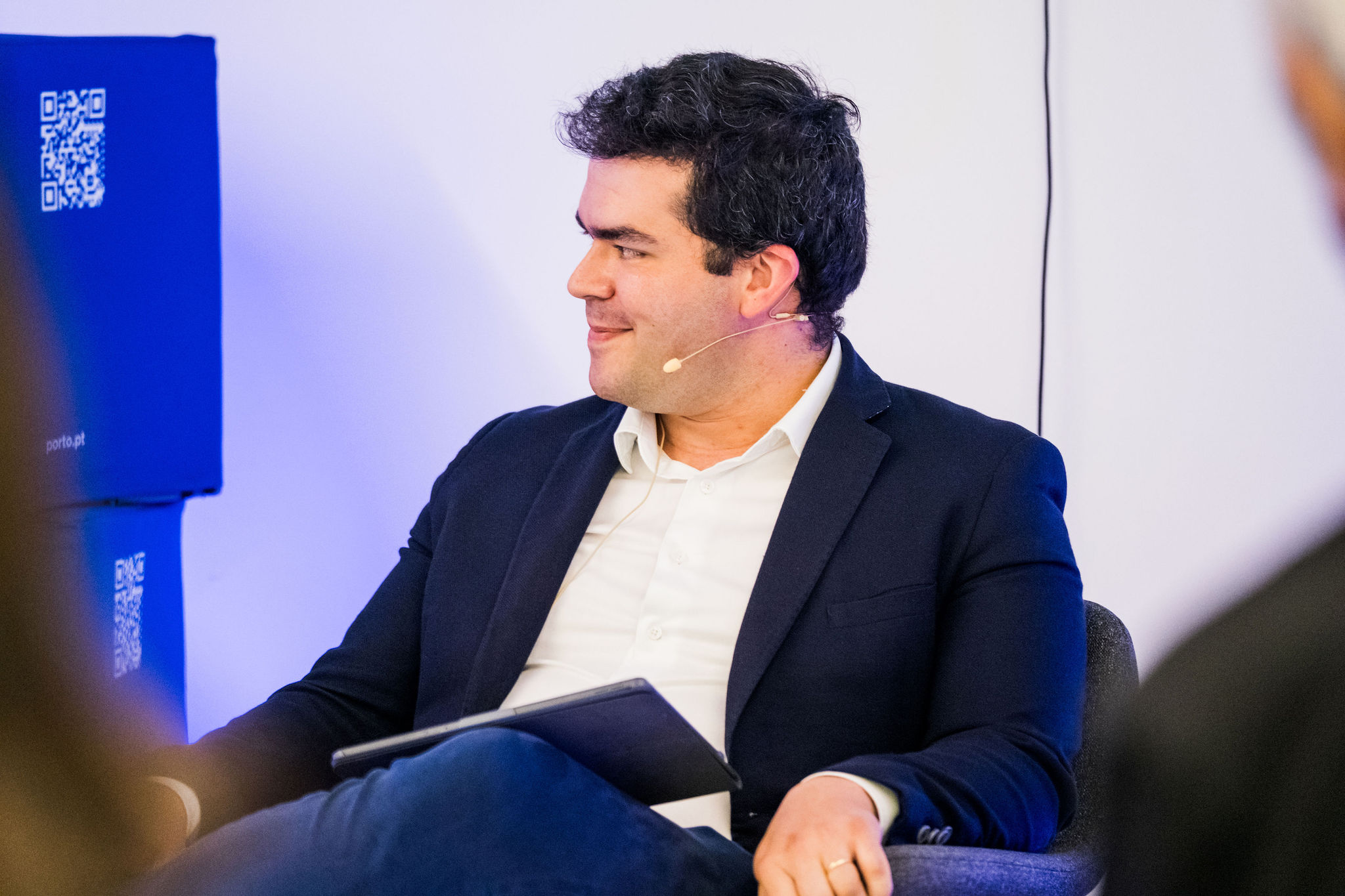
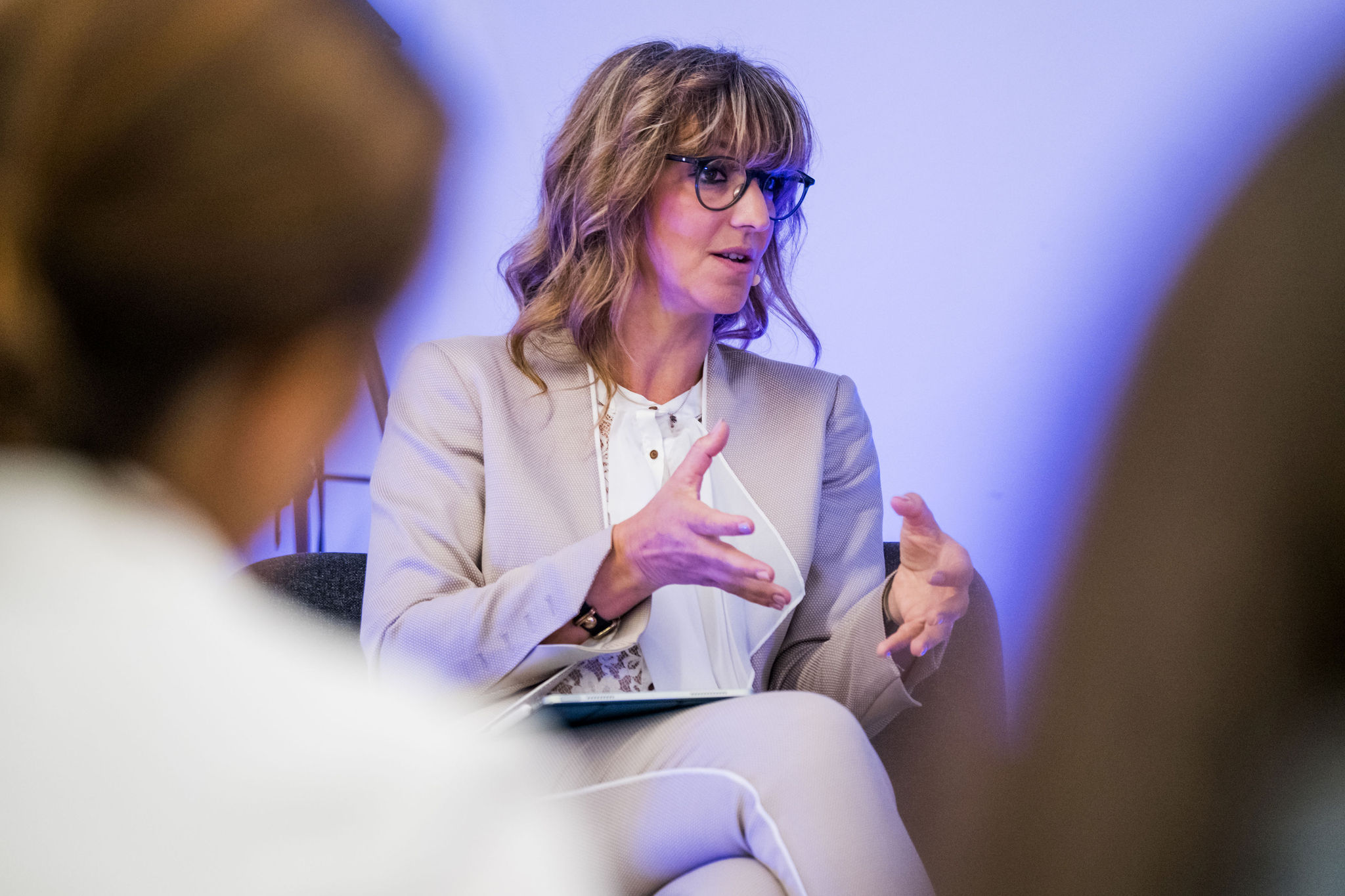
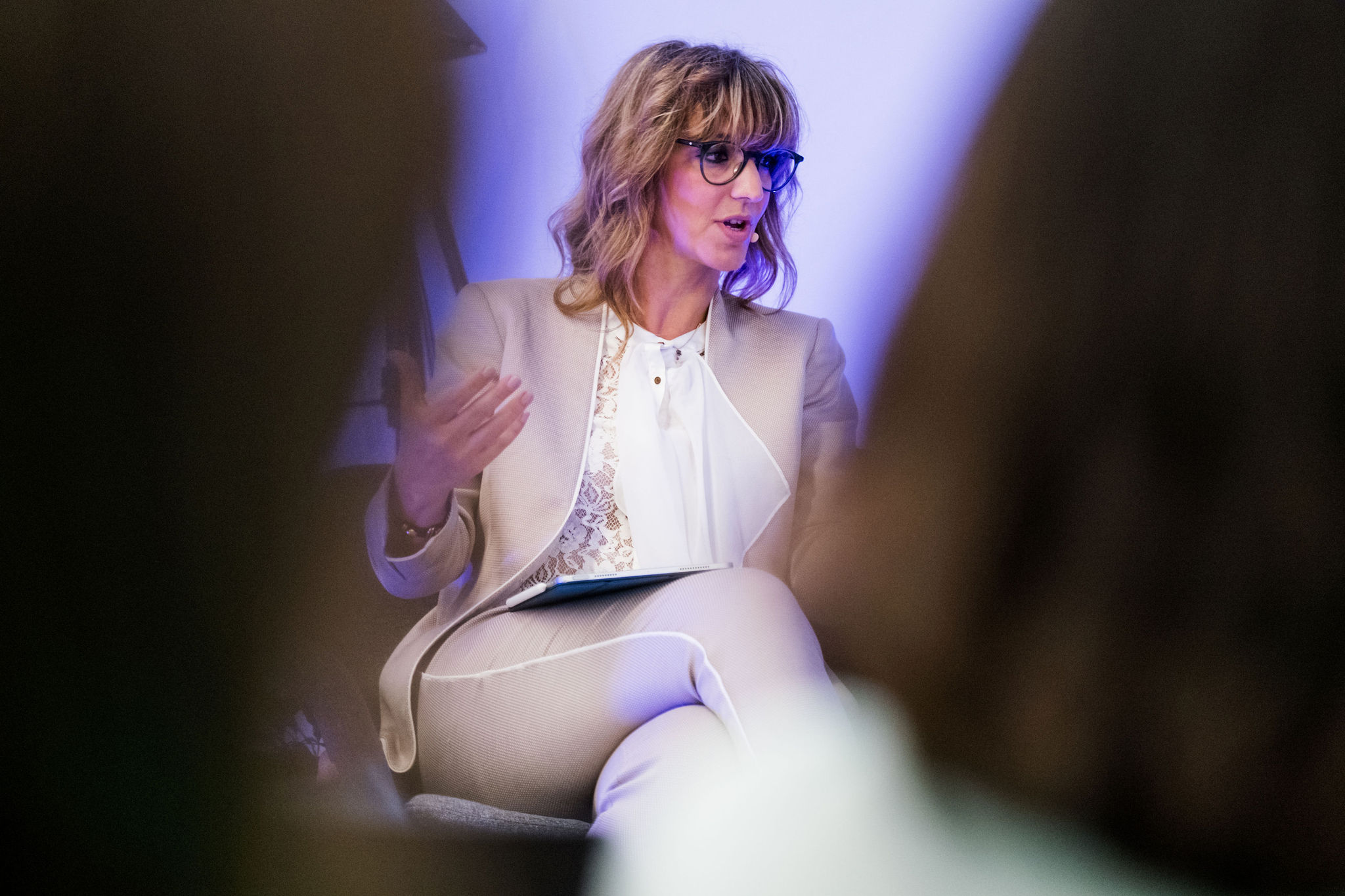
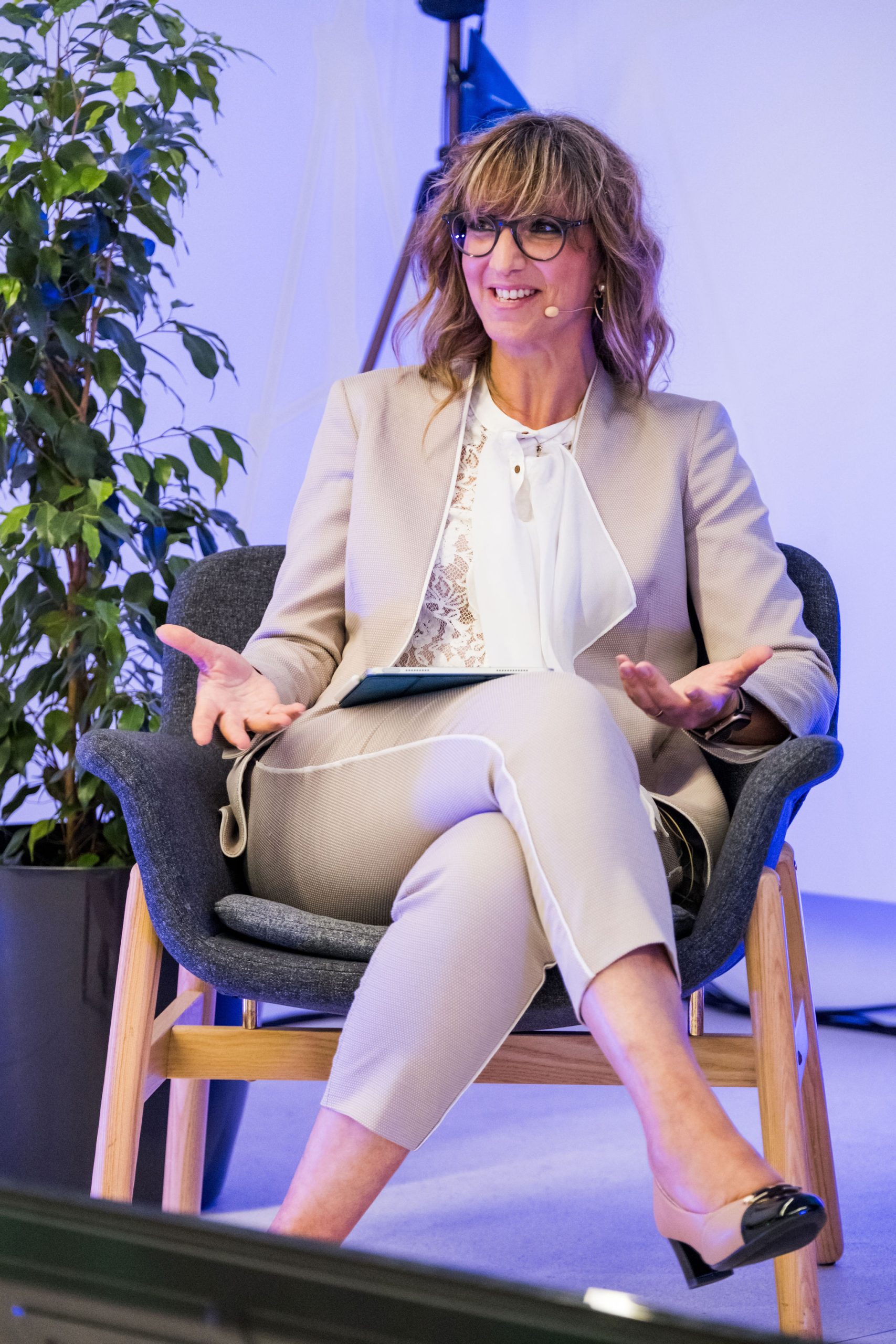
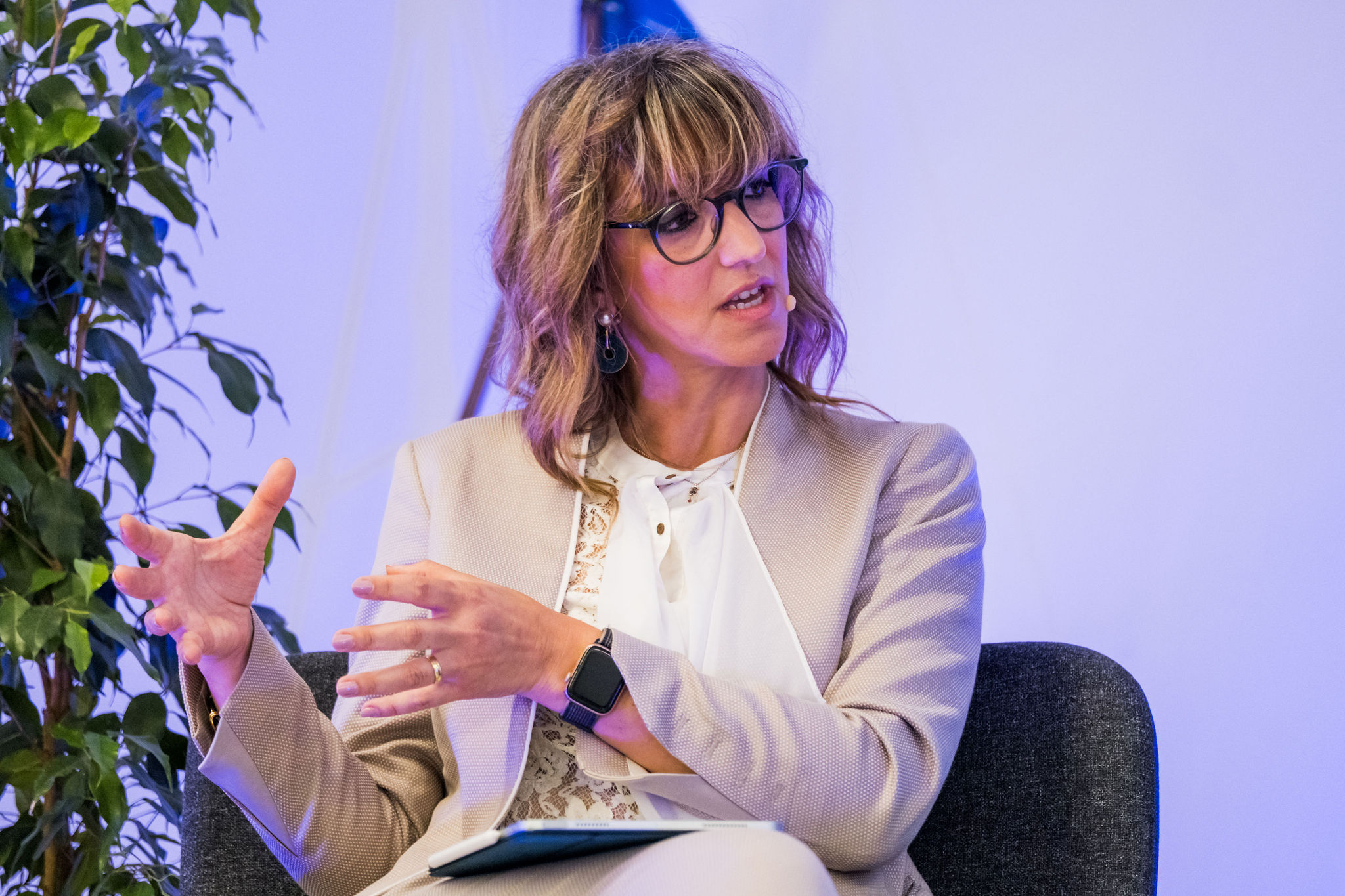
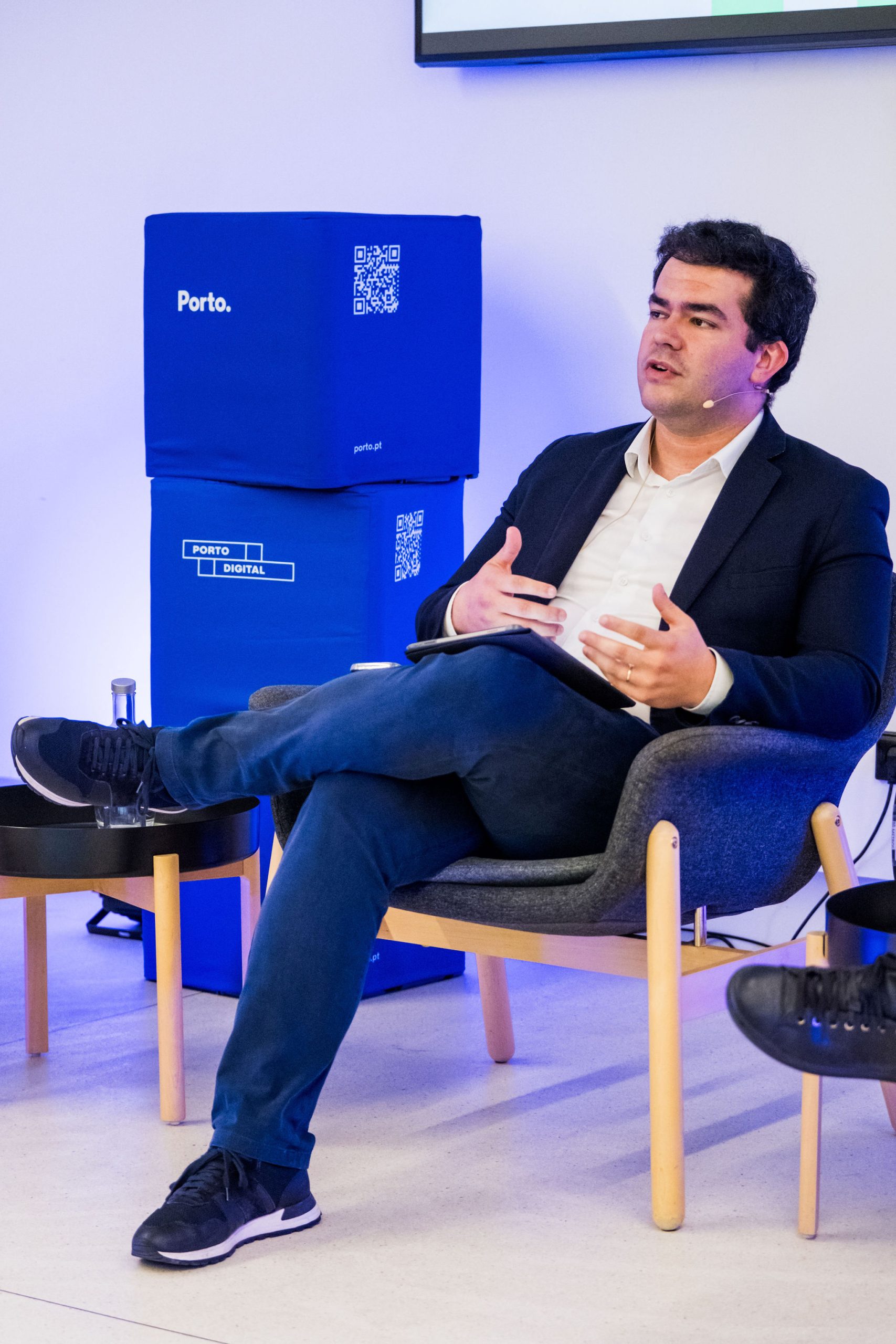
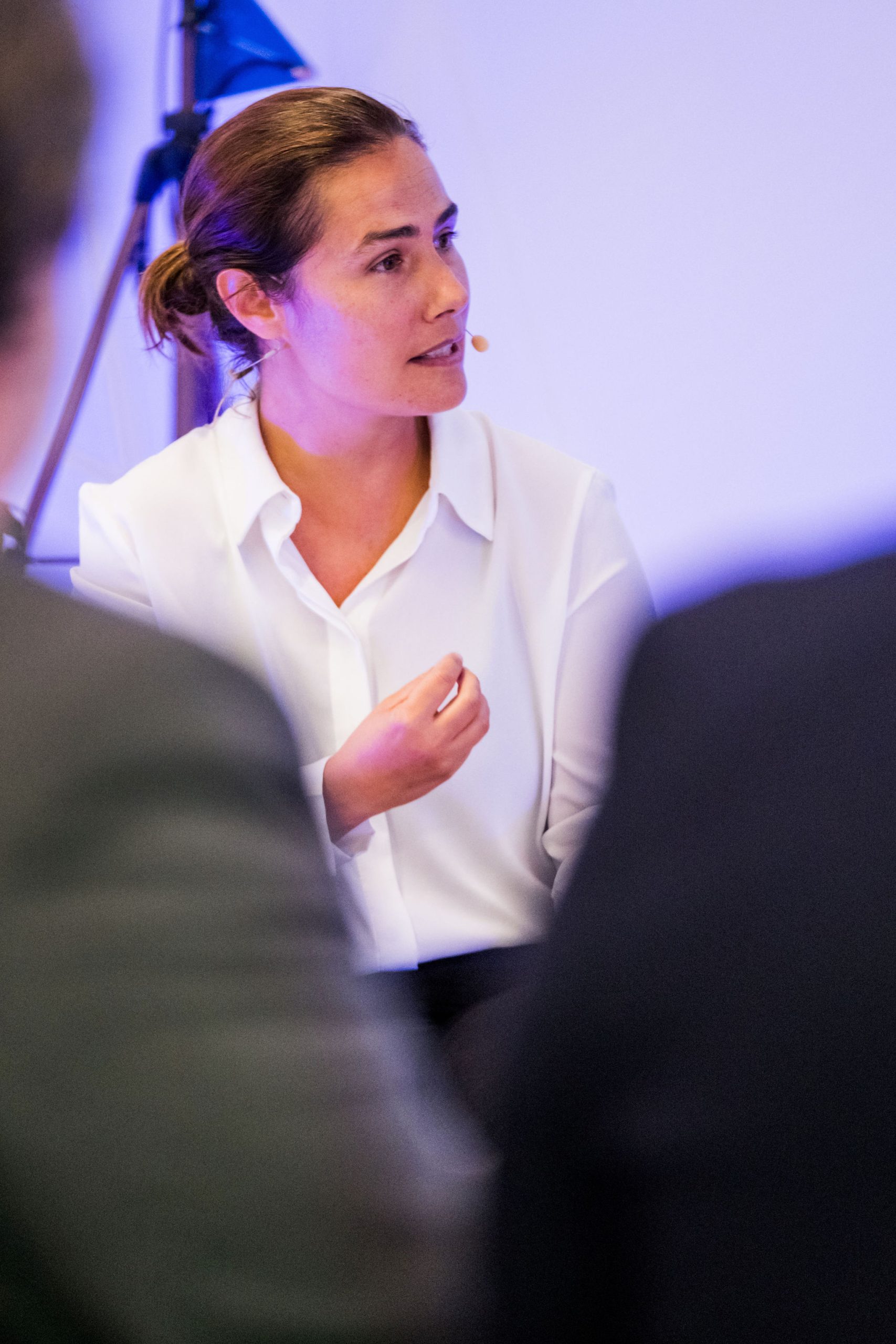
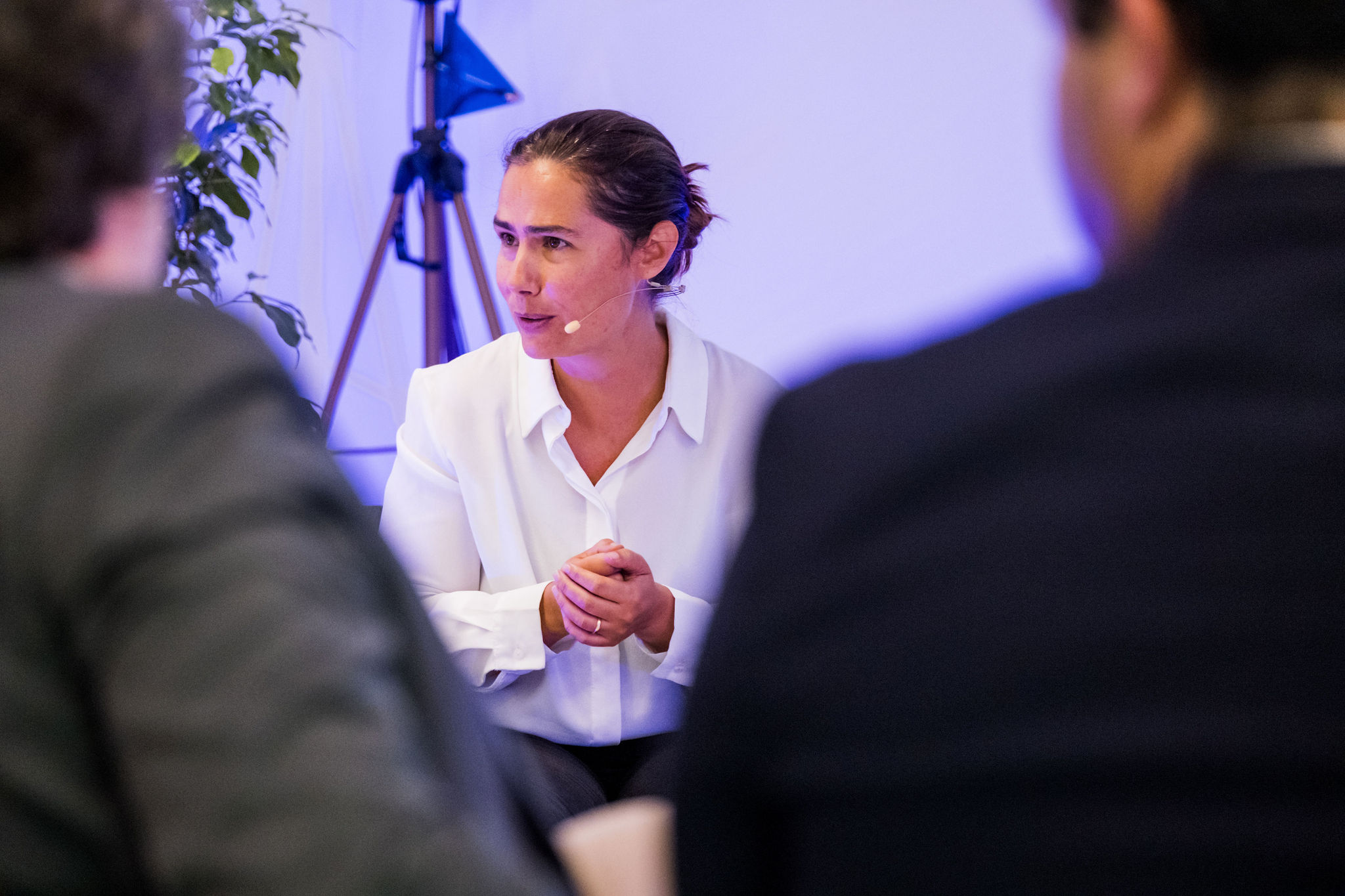
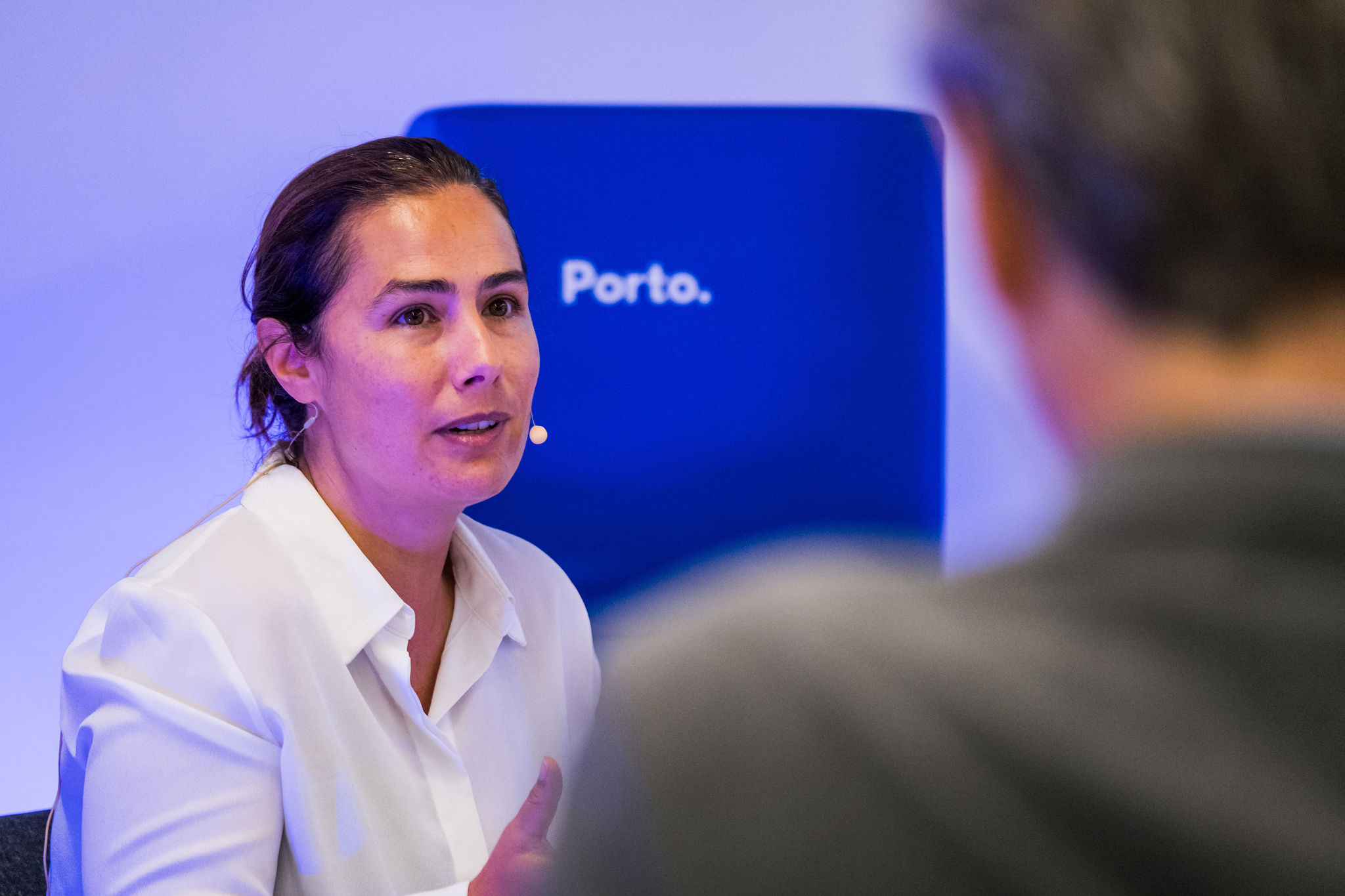
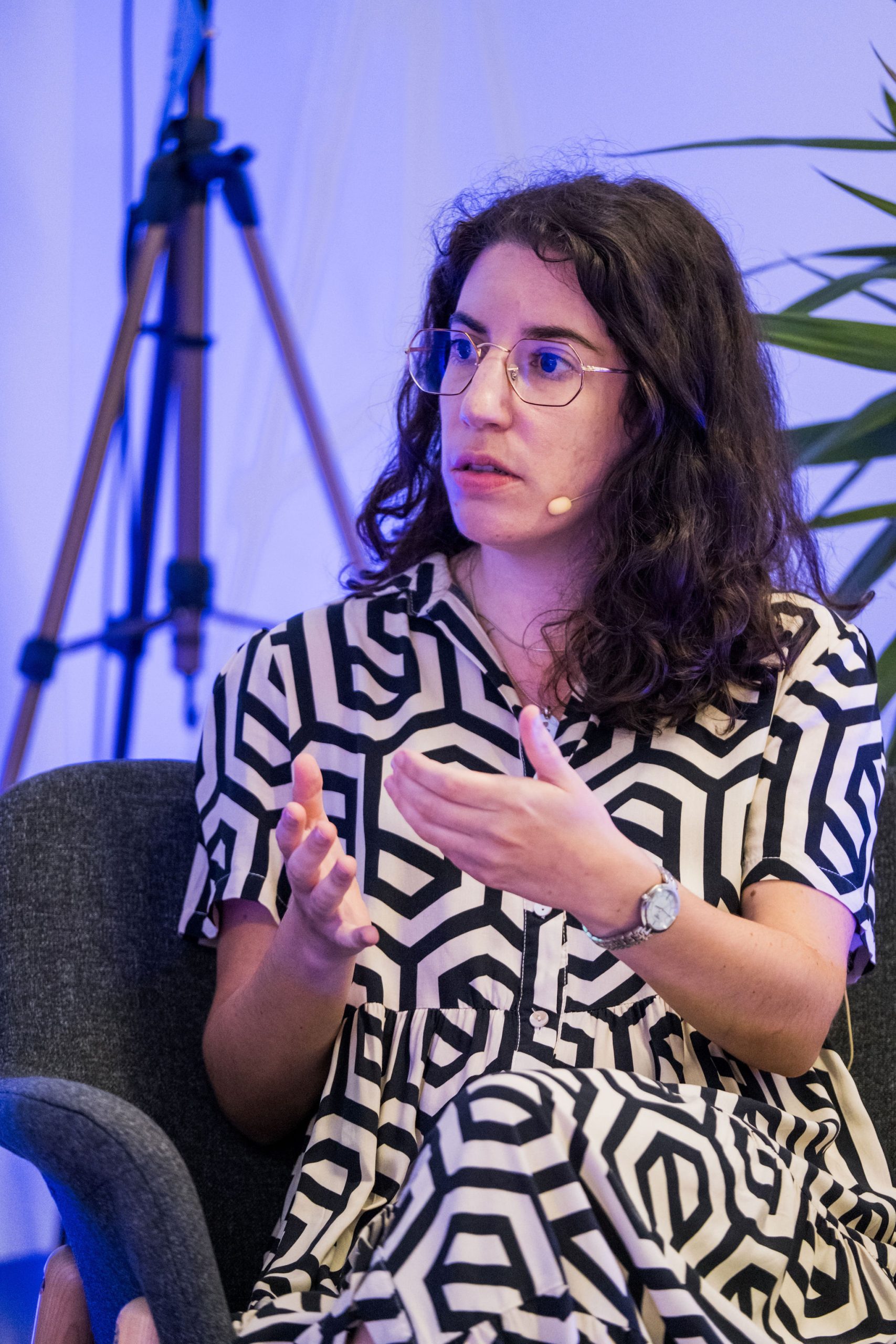
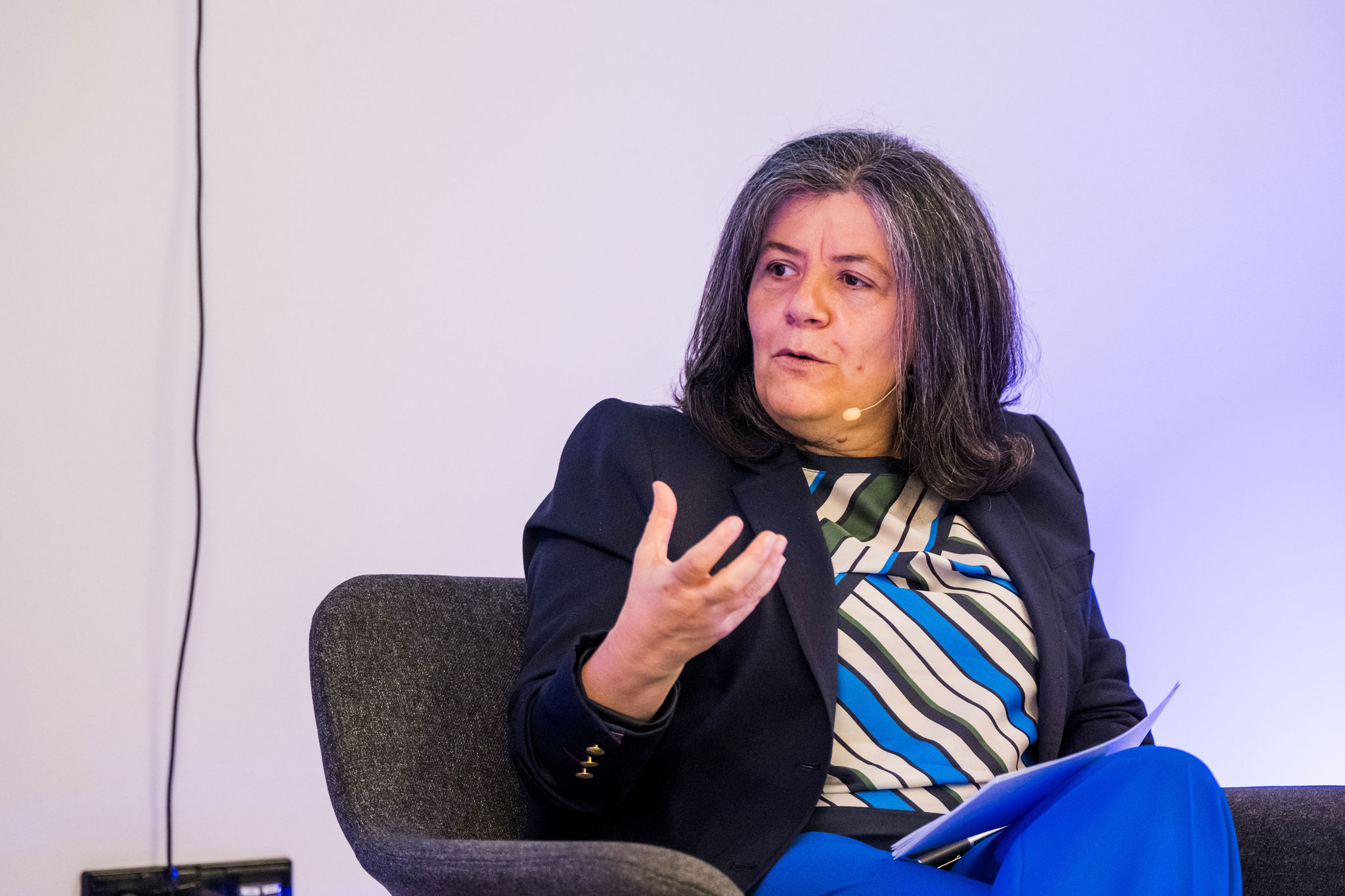
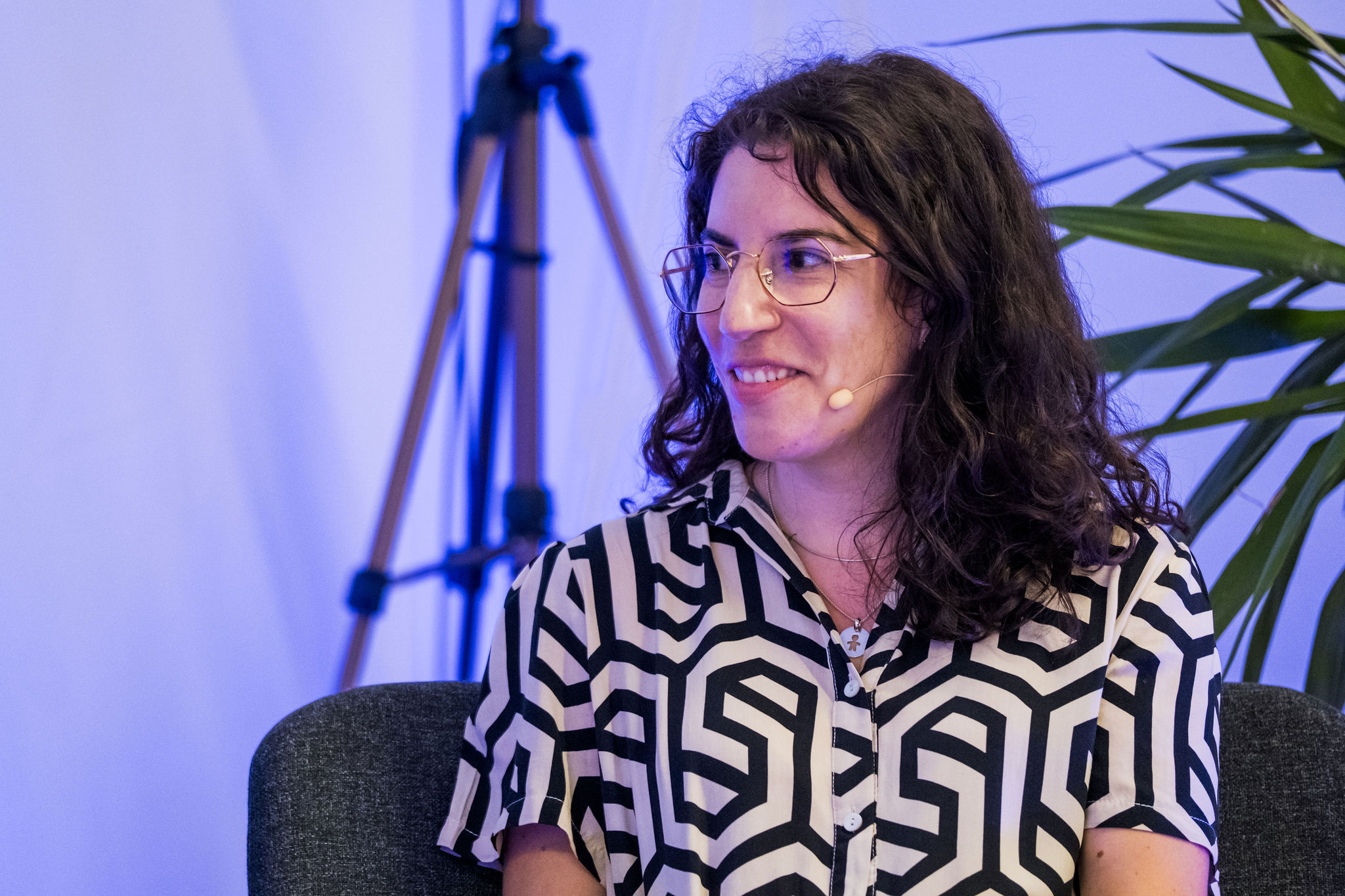
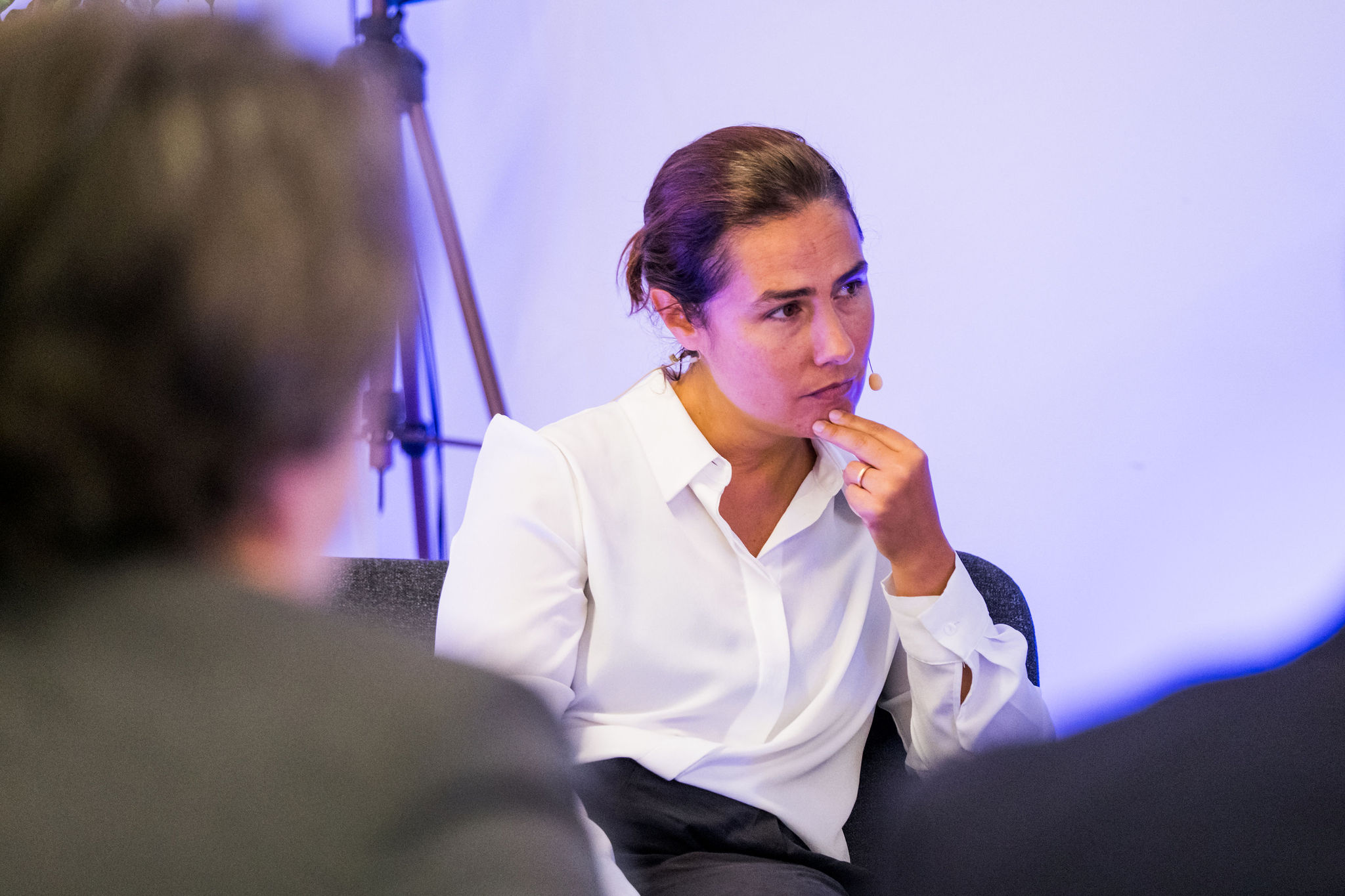
The session kicked off with a panel discussion on the decarbonisation of mobility, featuring Cristina Pimentel, President of STCP – Porto Public Transport Company, and Cecília Silva, lecturer in the Department of Civil Engineering at the Faculty of Engineering of the University of Porto (FEUP) and Director of CITTA – Research Centre for Territory, Transport and Environment. The discussion was moderated by André Brochado, advisor to the Mayor of Porto.
Next, the focus shifted to high-speed mobility, a reality that is becoming increasingly relevant at both regional and national levels. In this context, a new debate took place between Rui Calçada, Director of FEUP, and Susana Bettencourt, Head of the Municipal Urban Planning Department of Porto, moderated by Bárbara Rangel, also from the academic institution.
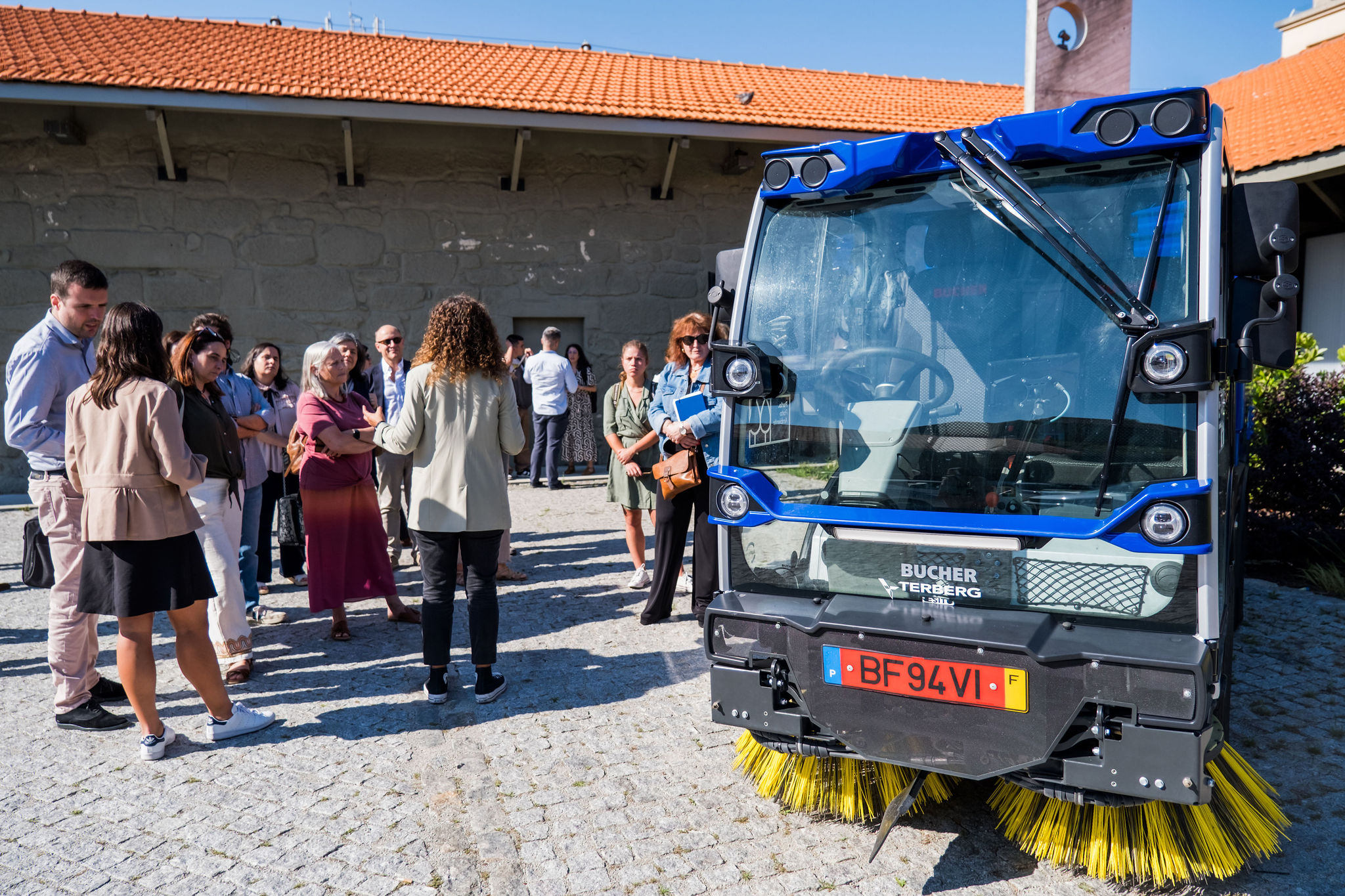
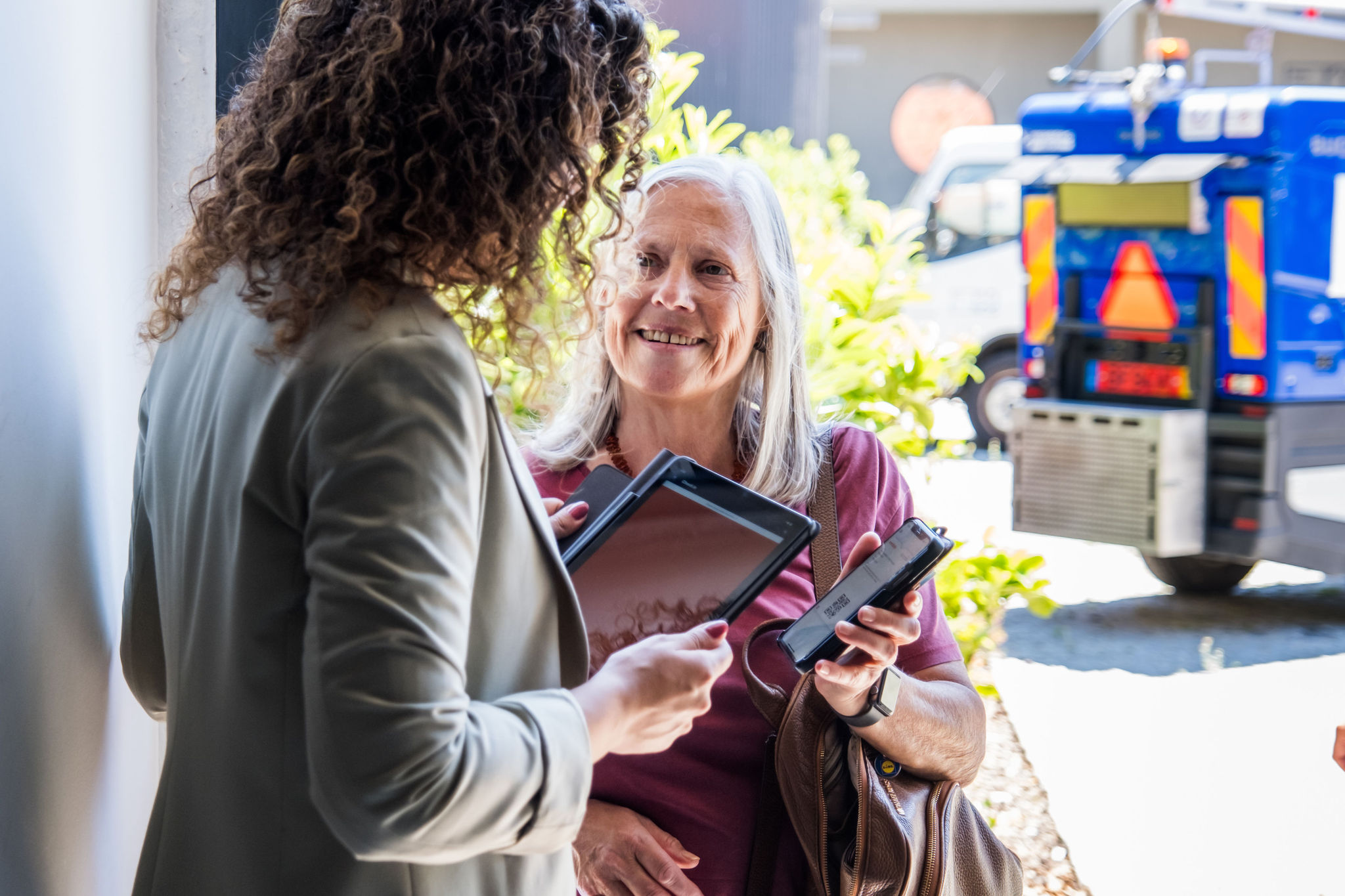
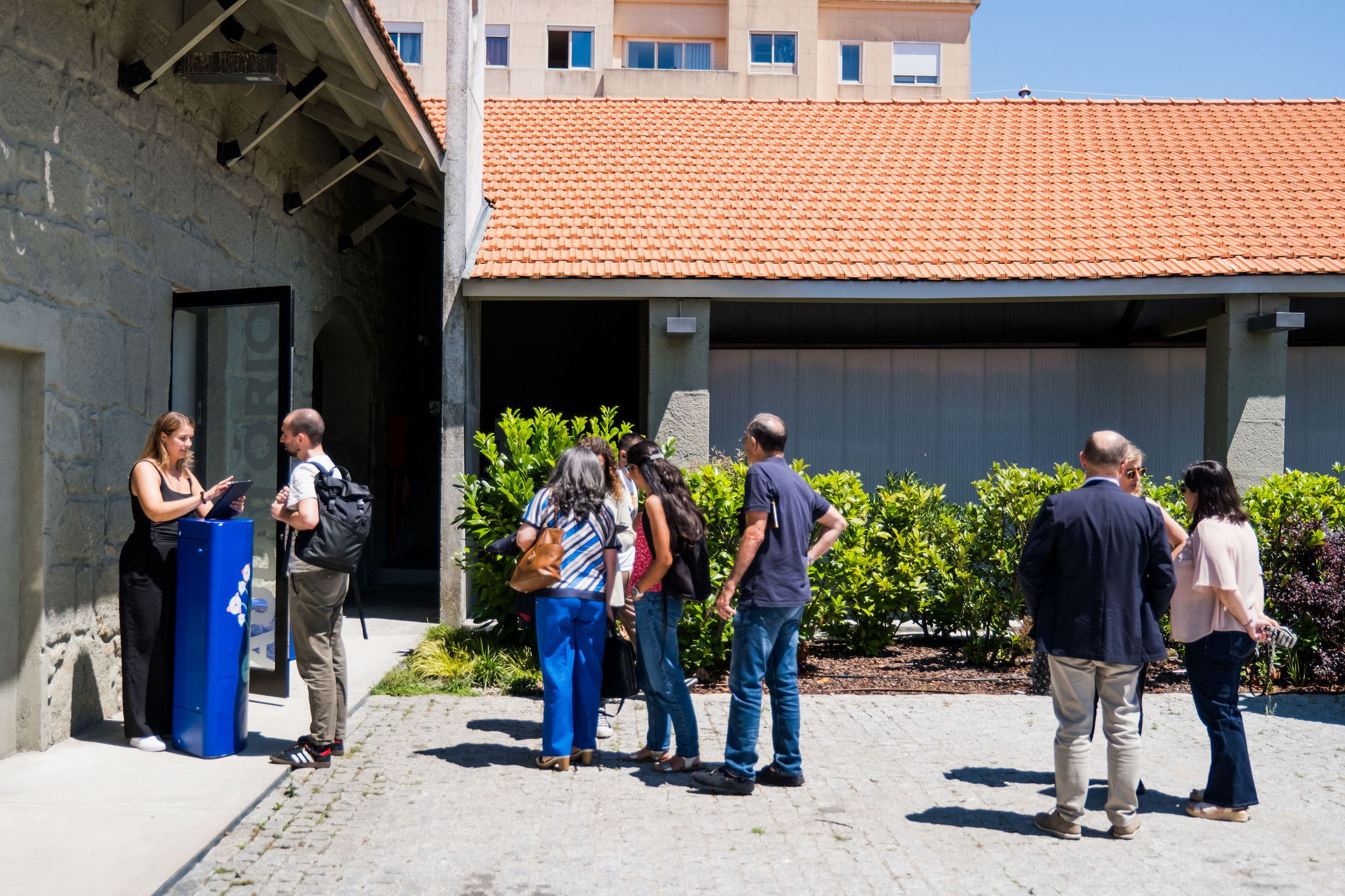
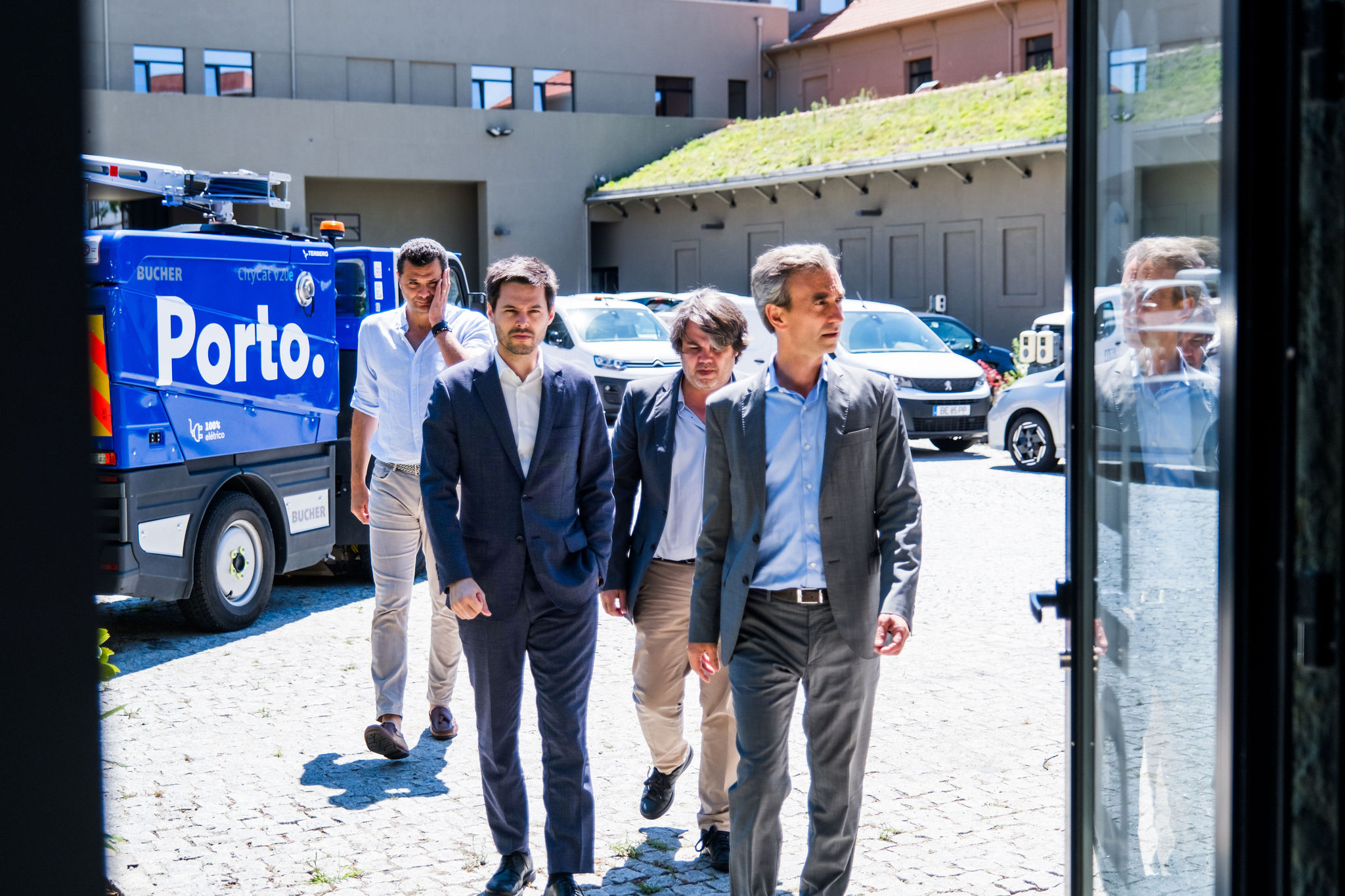
Finally, as the session was hosted at the CEiiA facilities, there was an opportunity to explore several digital platform solutions, infrastructure initiatives, and new mobility services aimed at decarbonising cities, developed by this organisation. Among these, particular emphasis was given to the X4US service, a digital platform that interacts with the BEN vehicle (also developed by CEiiA) as part of the BE.Neutral project, funded by the Recovery and Resilience Plan (Urban Mobility Agenda for Carbon Neutrality in Cities).